

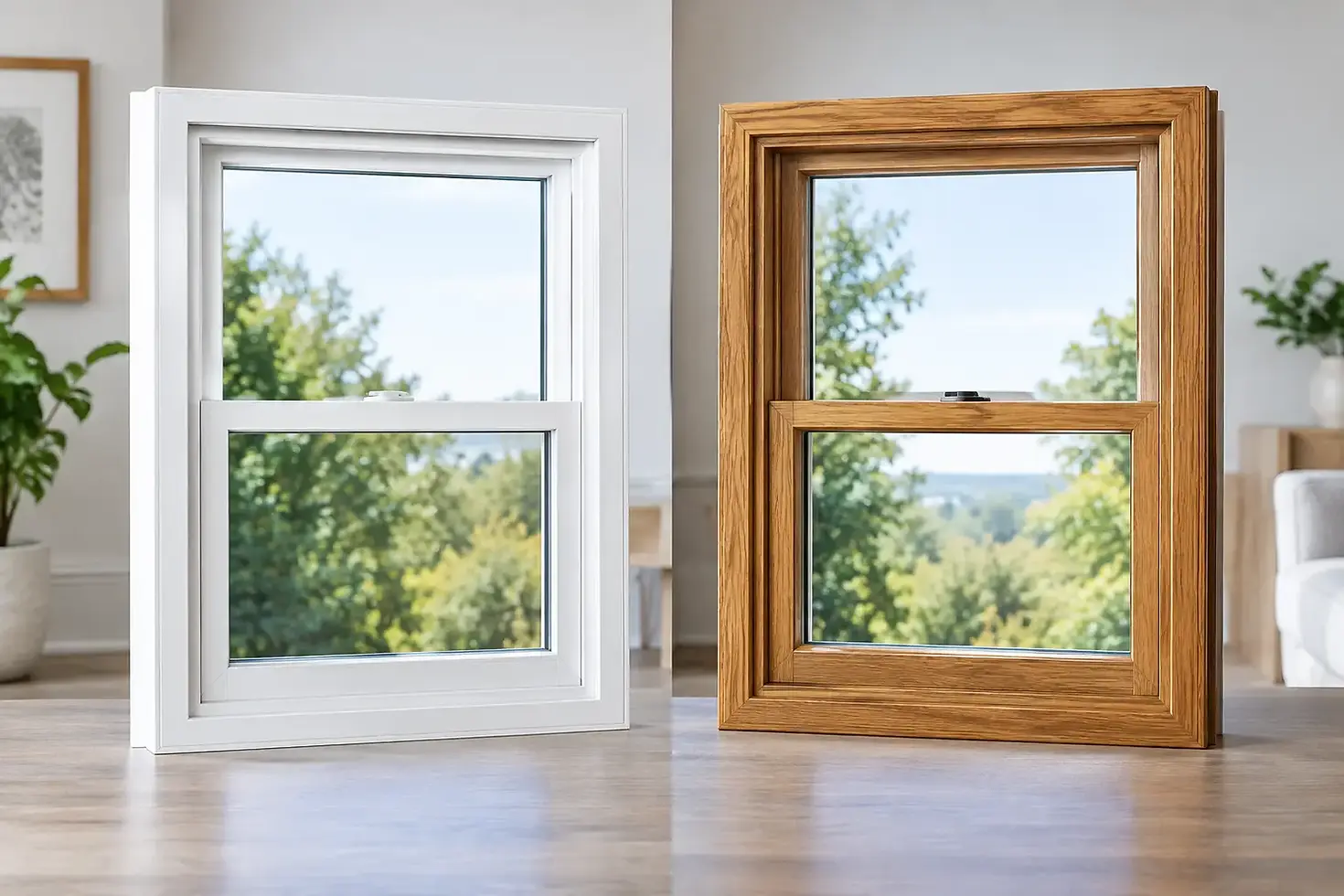
Vinyl Versus Wood Windows for Your Home

A window replacement is not just a choice between two frame materials. For Delaware and Pennsylvania homeowners, the vinyl versus wood windows decision can affect maintenance needs, interior style, energy performance, and the long-term condition of the opening around each window.
Wood has a classic appearance that many homeowners love, particularly in historic homes and traditional designs. Vinyl is a practical replacement choice known for dependable performance and low upkeep. Neither material is automatically right for every home. The better choice depends on the existing windows, the home's architecture, your budget, and how much maintenance you want to take on over time.
Vinyl versus wood windows: the practical difference
The most visible difference is appearance. Wood has natural grain, warmth, and depth that cannot be fully duplicated by any manufactured material. It can be stained or painted to suit a room, and it is often the best visual match when a home has original wood trim, historic details, or a carefully preserved interior.
Vinyl windows have a cleaner, more uniform look. They are available in several colors and styles, including double-hung, casement, slider, picture, bay, bow, and hopper configurations. While vinyl may not be the first choice for a homeowner who wants a stained-wood interior, it works well with many colonial, ranch, Cape Cod, and contemporary homes found throughout the region.
The less visible difference is ongoing responsibility. A quality replacement window should fit correctly, operate smoothly, manage water properly, and help control heat transfer. Frame material matters, but installation quality and the condition of the surrounding opening matter just as much.
Maintenance is often the deciding factor
Wood requires attention because it is an organic material. Exterior paint or stain must be maintained to protect it from rain, moisture, sun exposure, and seasonal temperature changes. When finishes fail, wood can absorb water. Over time, that may lead to peeling paint, soft areas, rot, or insect damage.
A well-maintained wood window can last for many years. The key phrase is well-maintained. Homeowners need to inspect exterior surfaces, repaint or refinish as needed, and address damaged caulk or trim before moisture reaches the wood. That can be worthwhile for a home where original character is the priority, but it is not a hands-off commitment.
Vinyl does not need painting, and it will not rot like wood. Routine care is usually limited to washing the frames, cleaning the glass, and keeping tracks and weep systems clear. That lower-maintenance ownership experience is a major reason vinyl replacement windows are popular with homeowners who want a lasting improvement without adding another recurring exterior project.
Vinyl is not maintenance-free in every sense. Screens, hardware, weatherstripping, glass seals, and moving parts still need occasional inspection. But the frame itself generally asks far less of the homeowner than exposed exterior wood.
Cost should include future upkeep
Initial price is a real consideration, but the lowest starting price does not always tell the whole story. Wood windows often cost more than comparable vinyl units, especially when custom sizing, premium finishes, or historic profiles are involved. Their long-term cost can also include painting, staining, repairs, and replacement of deteriorated exterior trim.
Vinyl windows are generally the more budget-conscious choice for a full replacement project. They offer strong value when homeowners want custom-fit windows, insulated glass, reliable operation, and reduced exterior maintenance. The savings can allow a homeowner to replace more windows at once, rather than leaving drafty or failing units in place for several more years.
There are exceptions. A historic property may require wood windows or wood-like details to meet preservation guidelines. In that situation, maintaining the right architectural appearance may carry more weight than material cost. A specialist should assess the home before assuming one option is appropriate.
Energy performance depends on the complete window
Homeowners often hear that vinyl is more energy efficient than wood, but the answer is more nuanced. Both materials can be part of an efficient window system. Wood is naturally a poor conductor of heat, while quality vinyl frames often include multi-chamber construction that helps limit heat transfer.
The glass package is equally important. Low-emissivity coatings, insulated glass, gas fills, spacer systems, and the number of panes all affect how a window performs. Air leakage around the sash and frame can also have a major effect on comfort. A high-performing glass package cannot make up for a poorly fitted window or a neglected opening.
For homes in Wilmington, northern Delaware, and neighboring Pennsylvania, replacement windows should be selected for year-round conditions. Winter drafts can make rooms uncomfortable and increase heating demand. Summer sun can add unwanted heat and glare. The right window balances insulation, solar control, visibility, and ventilation for the room where it will be installed.
Appearance and architectural fit
Wood remains hard to beat when the interior finish is central to the design. It can be stained to complement hardwood floors, built-ins, and traditional trim. It is also easier to modify or repair cosmetically in some situations. A homeowner restoring a period home may find that wood is the clearest match for the original look.
Vinyl makes sense when consistency and simplicity are the goals. White and neutral frames suit a wide range of homes, and clean-lined vinyl windows can refresh an aging exterior without changing the home's character. For many replacement projects, the improvement in operation, glass clarity, and exterior finish delivers a noticeable update even without a dramatic style change.
Exterior trim deserves attention in either case. When surrounding wood is weathered, aluminum capping can protect and finish the exterior trim around a replacement window. Properly formed capping helps reduce exposed wood maintenance while giving the opening a clean, finished appearance. It should be installed carefully so it manages water correctly instead of covering an existing moisture problem.
When vinyl is usually the better fit
Vinyl replacement windows are often the sensible choice when existing windows are drafty, difficult to open, rotted, or no longer worth repairing. They are particularly well suited to homeowners who want dependable performance, lower upkeep, and a practical return on their investment.
They can also be a strong option for larger replacement projects. Matching window styles across a home, whether double-hung windows on the front elevation or casement and picture windows at the back, can improve both operation and curb appeal. Custom sizing is important here. A replacement window should be selected to fit the opening and the home's needs, not forced into a one-size-fits-all package.
When wood may still be worth it
Wood can be the right call when preserving authenticity is the primary objective. If a home has original wood windows with historic value, repair may be preferable to replacement when the frames and sashes are still structurally sound. In other cases, a wood replacement window may be needed to maintain a specific interior finish or satisfy local historic requirements.
Before choosing wood, be honest about the maintenance plan. A wood window performs best when the homeowner is prepared to protect the finish and respond quickly to any signs of water damage. Ignoring small paint failures for several seasons can turn a manageable repair into a larger project.
Start with the condition of your existing openings
The best material choice becomes clearer after looking beyond the glass. Are the current frames square and solid? Is there hidden rot in the sill or exterior casing? Do the windows leak air because of failing weatherstripping, poor installation, or worn-out sash components? Is condensation pointing to indoor humidity, failed glass seals, or both?
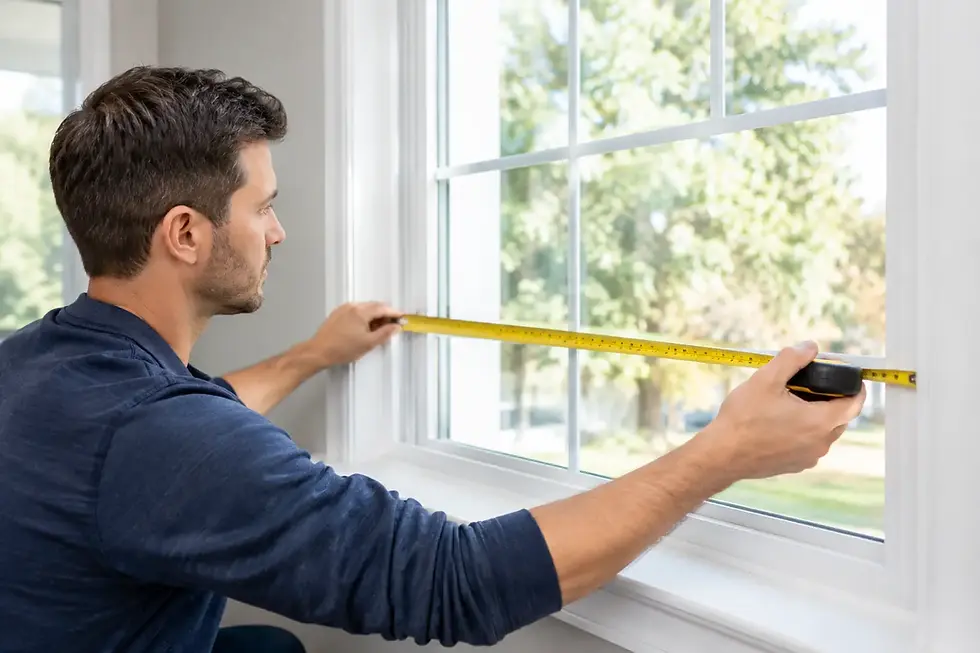
Those questions are why a professional in-home assessment matters. A window specialist can measure the openings, identify issues around the exterior trim, discuss the glass options that fit each room, and recommend a window style that works with the home. At Just Windows by Slocomb, that consultation is built around honest advice and the installation details that help a new window perform as intended.
Choose the window material that fits the house you own and the maintenance you want to live with. A carefully selected, properly installed window can make everyday rooms quieter, more comfortable, and easier to enjoy for years ahead.


Comments