


How to Tell If Windows Are Energy Efficient

A room that feels chilly near the glass in January or overheated by the window in July is giving you useful information. Learning how to tell if windows are energy efficient starts with what you can see and feel every day, but the best answer also comes from the window’s label, construction, and installation.
For Delaware and southeastern Pennsylvania homeowners, energy efficiency is not just about lowering utility bills. It affects comfort near exterior walls, indoor noise, fading furnishings, and how hard your heating and cooling system has to work. A window can look perfectly fine from the curb while allowing unwanted heat transfer and air leakage around the frame.
How to Tell If Windows Are Energy Efficient at Home
Start with a practical walk-through of your home. On a cool or windy day, stand near each window without touching it. If you feel a steady stream of cold air, notice curtains moving, or find the area around the sill noticeably cooler than the rest of the room, the window may be leaking air or transferring too much heat.
Condensation can also provide a clue, though it needs context. Moisture between panes of insulated glass is usually a sign that the seal has failed. Once that seal fails, the insulating gas between the panes may be lost, and the glass will not perform as intended. Condensation on the room-facing side of glass can be caused by high indoor humidity, but frequent moisture on cold glass may also indicate a less efficient window.
Look for worn weatherstripping, cracked caulk, soft or deteriorated wood around the opening, and gaps where the sash meets the frame. These conditions do not always mean the entire window must be replaced. Sometimes a repair or fresh sealing work can help. But if the window is older, difficult to operate, or has multiple issues, replacing it may offer a better long-term result.
You may also notice uneven temperatures from room to room. A bedroom that is consistently colder than the rest of the house, despite adequate heat, often has inefficient windows or air leakage around them. Pay attention to rooms with large picture windows, older sliders, or windows exposed to prevailing winds.
Check the NFRC Label Before You Buy
The most reliable way to compare new windows is to review the National Fenestration Rating Council, or NFRC, label. This label gives independently determined performance ratings, allowing you to compare products beyond marketing language such as “energy saving” or “insulated.”
The main number to understand is the U-factor. It measures how readily a window transfers heat. Lower U-factor numbers generally mean better insulation. For homeowners in Delaware and Pennsylvania, a lower U-factor can help reduce heat loss during winter and limit heat gain during summer.
Solar Heat Gain Coefficient, or SHGC, measures how much of the sun’s heat passes through the window. Lower numbers reduce solar heat gain. That can be especially helpful on sunny west- and south-facing walls, where afternoon sunlight can make rooms uncomfortable. However, the lowest SHGC is not automatically the best choice for every opening. Some homeowners prefer moderate solar gain on certain exposures to capture useful winter warmth and maintain a brighter interior.
Visible Transmittance measures how much natural light comes through the glass. Higher numbers mean more daylight. A window can have efficient glass and still provide excellent light, but there is usually a balance between maximum light transmission and the coatings used to control heat.
Air Leakage is another useful rating when available. Lower values mean less air moves through the window assembly. This matters because a well-insulated glass package cannot make up for noticeable drafts through moving parts or poorly sealed joints.
Look Beyond the Glass Package
Double-pane glass is a major improvement over old single-pane windows, but the number of panes alone does not tell the full story. Efficient insulated glass units typically use two or more panes separated by a sealed spacer system. Many include argon gas between panes and a low-emissivity, or Low-E, coating that reflects heat while allowing useful daylight through.
Low-E coatings are especially valuable because they work year-round. In winter, they help reflect interior heat back into the room. In summer, they help limit solar heat entering through the glass. The correct coating and glass package depend on the window’s location, orientation, shading, and the homeowner’s comfort priorities.
Frames matter too. Quality vinyl replacement windows can provide strong thermal performance because vinyl does not conduct heat as readily as aluminum. Multi-chamber frame construction, properly fitted sashes, durable weatherstripping, and reinforced components all contribute to how the window performs over time.
Do not judge a window solely by how thick the frame looks or by a claim that it has “triple-pane glass.” Triple-pane options can be worthwhile in some homes, particularly where homeowners want maximum comfort or have severe exposure. But they also cost more and add weight. A well-made double-pane window with the right Low-E glass, gas fill, and professional installation can be an excellent fit for many local homes.
Installation Has a Direct Effect on Efficiency
Even a high-quality window can underperform if it is installed poorly. Gaps around the unit, improper flashing, missing insulation, or weak exterior sealing can allow air and moisture to move into the opening. That can lead to drafts, water damage, and reduced energy performance.
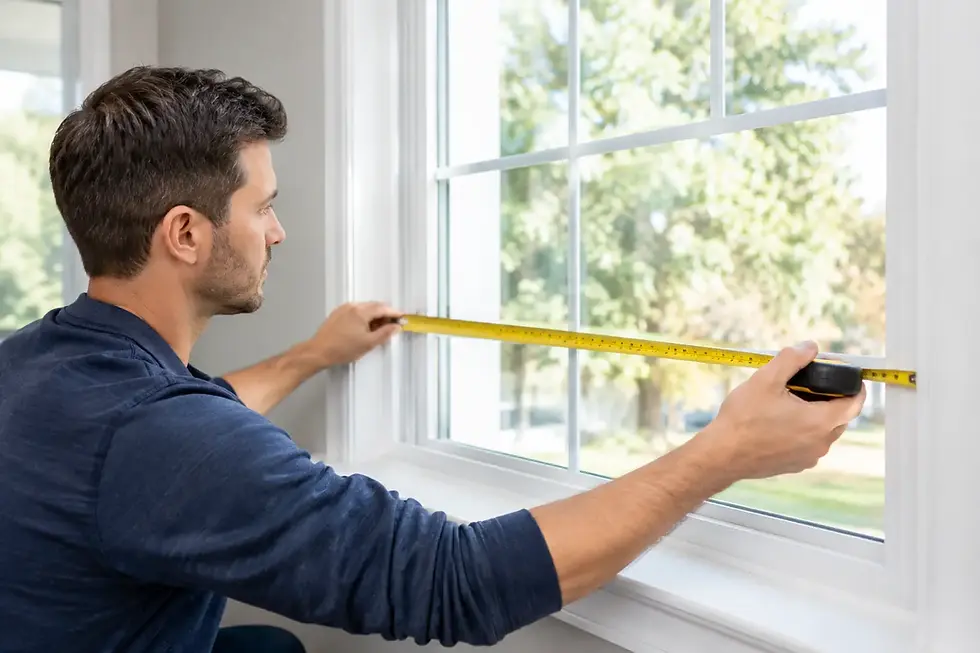
A proper replacement project begins with accurate measurement and an honest evaluation of the existing opening. The installer should check the condition of the sill, surrounding wood, exterior trim, and interior stops before deciding how the new window should be fitted. The goal is not simply to place a new window in the opening. It is to create a secure, weather-resistant assembly that operates correctly and looks finished inside and out.
Exterior aluminum capping can also play an important role when existing exterior wood trim needs protection. Properly formed capping helps shield exposed wood from rain and sun while giving the opening a clean appearance. It is not a substitute for repairing rotten wood, but when the underlying material is sound, it can help reduce future maintenance.
Signs Your Current Windows May Be Costing You
A higher utility bill by itself does not prove your windows are the problem. Insulation levels, attic ventilation, HVAC condition, duct leakage, and thermostat habits all affect energy use. Still, windows deserve closer attention when they combine several warning signs.
Consider an evaluation if you see four or more of these conditions:
Drafts, cold spots, or excessive heat near windows
Fogging or moisture trapped between glass panes
Sashes that stick, will not lock, or no longer close tightly
Faded flooring, furniture, or window treatments near sunny glass
Peeling paint, damaged trim, or signs of water around the opening
Noticeable outdoor noise entering through closed windows
Single-pane glass or aging aluminum frames without thermal breaks
Older windows may be repairable, particularly when the frame and glass are in good condition. Glass repair can make sense for a failed insulated unit in an otherwise sound window. But widespread seal failure, damaged frames, recurring leaks, and operating problems usually point toward replacement rather than repeated repair.
Ask for Performance Details, Not General Claims
When comparing replacement windows, ask for the actual NFRC ratings for the exact glass package being proposed. A product line may offer several options, and the performance can change based on glass, grids, operating style, and size. Casement windows often achieve very low air leakage because they close against the frame with a compression seal, while double-hung and slider windows offer familiar operation and easy ventilation. The best configuration depends on the room and how you use it.
Also ask how the installer will address insulation around the opening, exterior sealing, damaged wood, and finish work. Energy efficiency comes from the complete system: glass, frame, weatherstripping, fit, and installation.
After four decades of hands-on window work, Just Windows by Slocomb has seen that the right recommendation is rarely a one-size-fits-all package. A free in-home consultation gives you the opportunity to identify whether drafts are coming from the glass, the window frame, the surrounding opening, or another part of the home.
The most useful next step is to evaluate the rooms where you feel the problem most. Bring those comfort concerns, visible window issues, and energy questions into the conversation. A careful assessment can help you choose improvements that make your home feel better every day, not just look newer from the outside.


Comments