


What Affects Custom Window Replacement Cost

A replacement window can look like a simple purchase until measurements begin. The custom window replacement cost for your home depends on far more than the size of the opening. Window style, glass package, access, existing conditions, exterior finishing, and the quality of installation all shape the final investment.
For Delaware and southeastern Pennsylvania homeowners, the right question is not simply, “What is the lowest price per window?” It is, “What will it take to install a window that fits correctly, performs well through every season, and looks right on my home?” A clear estimate should help answer that question before work begins.
Why Custom Window Replacement Cost Varies
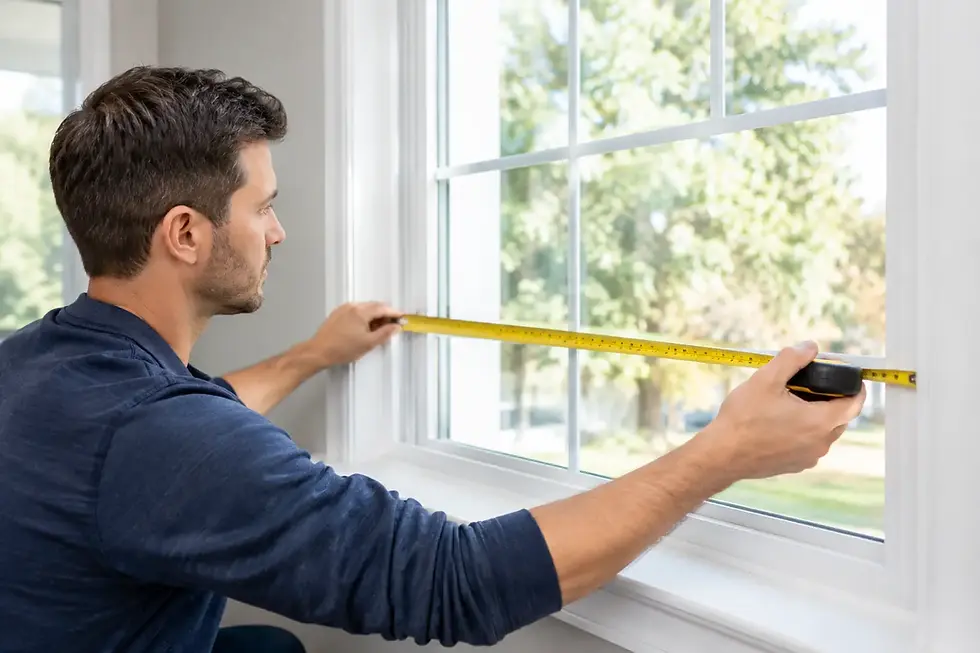
Replacement windows are made to fit the actual openings in your home, not a generic opening on a showroom wall. Even homes with windows that appear identical can have small differences in width, height, frame condition, interior trim, and exterior details. Those differences affect both the product and the labor required to install it properly.
A basic vinyl double-hung window in a standard, accessible opening will generally cost less than a large bay window, a specialty-shaped picture window, or a casement unit requiring custom exterior finishing. That does not make one choice better than another. It simply means the estimate should match the window's purpose, location, and installation requirements.
Be cautious with broad per-window pricing that does not account for these details. A low starting number may not include removal of the old unit, disposal, trim work, insulation, capping, or repairs discovered once the old window is removed. Comparing estimates is easier when each contractor explains what is included and why.
The Biggest Cost Factors in Custom Replacement Windows
Window style and size
Double-hung windows are a familiar choice for many homes because they provide ventilation, simple operation, and a traditional appearance. Slider windows can be practical for wider openings, while casement windows offer an unobstructed view and a tight seal when closed. Picture windows, hopper windows, bay windows, and bow windows each serve different design and performance needs.
Larger windows use more material and may require additional structural work, particularly with bay and bow configurations that extend outward from the home. Specialty shapes and oversized glass also increase manufacturing complexity. If a window is difficult to reach from the outside or located above a porch roof, stairway, or landscaping, safe access can add labor as well.
Glass and energy performance
The glass package has a meaningful effect on comfort and price. Insulated glass, low-emissivity coatings, argon gas fills, and different spacer systems can help reduce heat transfer and make rooms more comfortable near the glass. The best choice depends on the window's direction, how much direct sun it receives, and what you want the window to improve.
For example, a sunny west-facing room may benefit from glass designed to manage solar heat gain. A drafty bedroom may call for a better-insulated unit and a careful review of the opening itself. Higher-performance glass usually adds to the upfront cost, but it can be a sensible investment when it addresses a real comfort concern rather than a feature you do not need.
Decorative options also affect pricing. Grids between the glass, privacy glass, tempered safety glass, laminated glass, and custom colors can all change the cost. These choices are often worth considering when they support the home's architecture, safety needs, or privacy, but they should be selected intentionally.
Existing frame and opening conditions
The condition behind the old window is one of the most important unknowns in a replacement project. Water intrusion, deteriorated wood, loose exterior trim, or an out-of-square opening may not be fully visible until the existing window comes out.
A professional installer should inspect for warning signs during the consultation, such as soft exterior wood, staining, failed caulking, drafts, or windows that no longer open and close properly. Some issues can be resolved as part of a standard installation. Others require repair work to create a sound opening for the new window.
This is why an honest estimate may include allowances or clearly describe what happens if concealed damage is found. It is better to address compromised material correctly than to cover it with a new window and hope the problem stays hidden.
Installation quality and finishing details
A quality replacement window needs more than a good product. It needs accurate measurement, a square and secure installation, proper insulation around the frame, dependable sealing, and finished interior and exterior details. Poor installation can lead to drafts, water issues, difficult operation, and a shortened service life even when the window itself is well made.
Exterior aluminum capping is another item that can affect the cost. Capping protects exposed exterior wood around the opening and gives the finished installation a clean, low-maintenance appearance. On older homes, it can be especially valuable where painted trim has weathered over time. The amount of capping needed and the complexity of the trim profile will affect the price.
The lowest bid can be appealing, particularly for a project involving several windows. But homeowners should make sure it covers the work that protects the investment: removal and disposal, insulation, caulking, finishing, cleanup, and a clear plan for exterior trim. A complete installation is different from simply setting a new unit into an old opening.
What Should Be Included in an Estimate?
A useful window estimate is specific enough that you can understand what you are buying. It should identify the window type and configuration, the glass package, the number of units, and any requested options such as grids or special glass. It should also explain the installation scope.
Ask whether the proposal includes removal of existing windows, disposal, interior trim work if needed, exterior capping, insulation and sealant, and cleanup. If any of those items are excluded, that is not automatically a problem, but you should know before making a decision. The same applies to permits or repairs that may be necessary for unusual conditions.
It is also reasonable to ask how the contractor handles damaged framing or rot discovered during installation. A straightforward answer shows that the company has experience with real homes, not just ideal openings. With more than 40 years of hands-on window experience, Just Windows by Slocomb approaches this review as part of helping homeowners choose a solution that fits the property.
How to Set a Realistic Budget
Start by deciding what you want the project to solve. Are your windows drafty? Is outside noise a concern? Do you have failing wood trim, fogged glass, or windows that will not stay open? Are you improving curb appeal before selling, or planning to remain in the home for years? Your priorities help determine where it makes sense to invest.
Replacing every window at once can create a more consistent appearance and may reduce repeat setup costs. However, a phased project can be practical when the budget is limited or when only certain windows are failing. Many homeowners begin with the rooms that are least comfortable, the windows exposed to the harshest weather, or openings showing signs of deterioration.
Avoid choosing solely by a price-per-window figure. A $100 difference between two proposals may reflect a minor option, while a much larger difference may reflect better glass, more extensive capping, needed repairs, or a more complete installation scope. Ask each contractor to explain the difference in plain language.
When Custom Is Worth the Investment
Custom replacement windows are especially worthwhile when existing openings are not standard, when the home has distinctive trim, or when you need a particular style to preserve the home's appearance. They are also valuable when performance matters - for example, in rooms with persistent drafts, excess sun, or difficult-to-operate windows.
Custom does not have to mean extravagant. It means the window is selected and sized for your opening, your home, and your goals. A well-chosen vinyl replacement window can provide dependable performance without paying for features that do not serve your needs.
A free in-home consultation is the right place to sort through those choices. Bring up the rooms that bother you most, point out any exterior trim concerns, and ask what the installation will include. The best replacement window decision is one that leaves you confident not only in the price, but in the condition and comfort of your home after the work is done.


Comments