


Replacement Window Installation Guide for Homeowners

A window can look great in a showroom and still underperform if it is installed carelessly. That is why a replacement window installation guide should focus on more than the window itself. For Delaware and southeastern Pennsylvania homeowners, the condition of the opening, the fit of the new unit, and the details used to manage water and air can have as much effect on comfort as the glass package you select.
Replacement windows are a long-term improvement. They can reduce drafts, improve operation, refresh curb appeal, and help make rooms more comfortable through changing seasons. The best results come from matching the right window to the home, then giving the installation the same attention as the product.
What a Replacement Window Installation Guide Should Cover
There is no single installation method that fits every home. A newer home with square, dry openings presents a different project than a century-old house with settled framing, aging exterior trim, or hidden water damage. A careful contractor begins by assessing what is there, rather than assuming every opening can receive the same replacement window in the same way.
Most replacement projects use an insert window installed within an existing frame. This approach preserves interior and exterior trim when those components are sound, keeps disruption lower, and provides an efficient path to better-performing windows. If the existing frame is damaged, out of square, or affected by rot, a more extensive repair or full-frame replacement may be the better choice. That decision should be based on the actual opening, not on a one-size-fits-all package.
A dependable installation also considers water. Rain does not need a large gap to reach unprotected wood. The sill, exterior trim, caulking, flashing details where needed, and exterior capping all work together to direct water away from the home. Simply applying more caulk is not a substitute for sound installation practices.
Start With the Existing Opening, Not the New Window
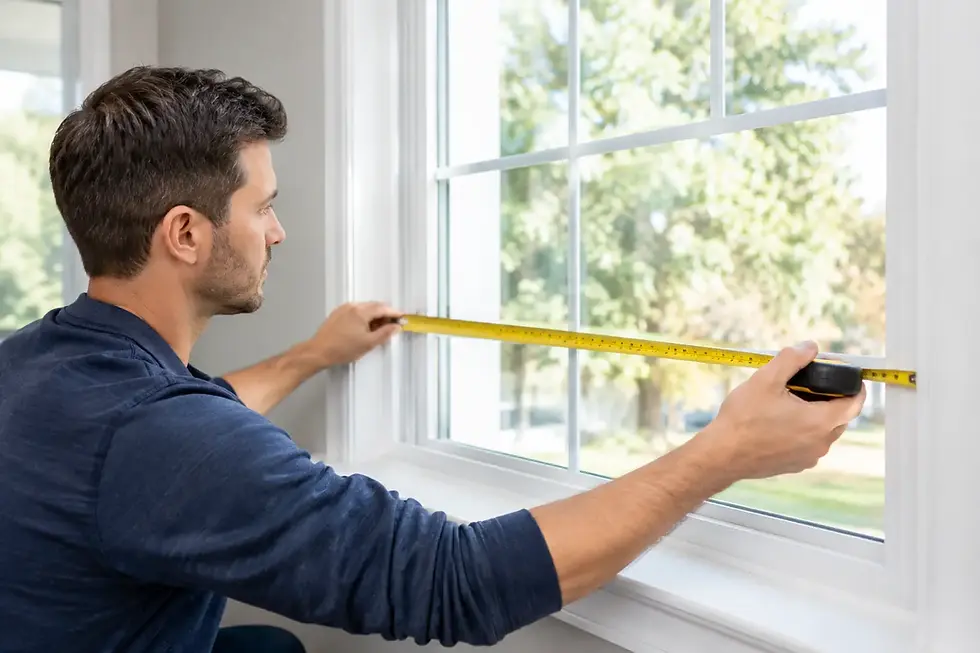
Before selecting a window style or placing an order, the opening needs to be measured and inspected carefully. Measurements are typically taken at multiple points for width, height, and depth because older openings are rarely perfectly square. The installer also checks the sill for level and looks for signs that the frame has shifted over time.
The visible condition of a window does not always tell the full story. Soft wood, staining, peeling paint, mold, or recurring drafts around the trim can indicate a problem behind the old window. Addressing those conditions before the replacement is installed protects the investment. Covering damaged material may make an opening look finished for a while, but it does not correct the source of the issue.
This assessment is also the right time to discuss exterior trim. Many homes have wood casing around their windows that has been exposed to weather for years. Aluminum capping can cover and protect sound exterior wood, reduce future painting needs, and provide a clean finished appearance. It should be bent and fitted to the opening, not treated as an afterthought.
Accurate Measurements Allow for a Proper Fit
A replacement window must be sized to fit the opening with enough room for adjustment and insulation, without leaving excessive gaps. A unit that is too tight can be difficult to level and may bind as the house moves. One that is too small can create larger spaces that are harder to insulate and finish properly.
The goal is a window that is plumb, level, square, and securely fastened according to the manufacturer's requirements. Those details help sashes operate correctly, locks engage as intended, and weatherstripping make consistent contact.
Choose Windows for the Room and the Home
Window selection is not just a question of appearance. A double-hung window is a practical choice for many bedrooms and traditional home styles, while a slider may suit a wider opening where easy side-to-side operation is preferred. Casement windows can work well where homeowners want a broad view and strong ventilation. Picture windows bring in light without adding operable components, and bay or bow windows can change both the interior feel and exterior character of a room.
The glass choice deserves equal consideration. Low-emissivity glass, insulated glass units, and gas-filled options can help limit heat transfer, but the right configuration depends on the home's exposure and the homeowner's goals. A sunny room with afternoon heat may need a different approach than a shaded north-facing room. Homes near busy streets may also benefit from a conversation about glass construction and sound control.
Do not overlook practical access. A window that looks right from the curb still needs to be easy to open, clean, and secure from inside the home. Egress requirements may apply to bedroom windows, particularly when an existing opening is being altered. An experienced window specialist can identify these considerations before they become a problem during installation.
How Professional Replacement Window Installation Works
On installation day, the work should begin with protecting the surrounding area. Furniture near the windows should be moved or covered, and installers should plan for dust, old materials, and access to both sides of the opening. Exterior landscaping, siding, and interior finishes deserve the same care as the new windows.
The old sash and components are then removed in a controlled manner. The remaining frame is inspected again once it is exposed. This is when concealed deterioration can become visible. Minor adjustments may be expected in older homes, while significant rot or structural concerns should be discussed openly before work proceeds.
Next, the installer prepares the opening so the replacement window has a solid, clean surface. The new unit is placed, checked for level, plumb, and square, then secured using the appropriate fastening method. This is not a step to rush. A window that is slightly out of square may still close on the first day, yet develop operating problems as temperatures change or normal house movement occurs.
After the window is secured, the perimeter gap is insulated carefully. Low-expansion foam or other suitable insulation is used to reduce air movement without forcing the frame out of shape. Too much expanding foam can bow a window frame and affect operation, which is one reason material selection and application matter.
The interior is then finished to provide a neat appearance, while exterior work focuses on weather protection. Exterior-grade sealant is applied where appropriate, but it must be used with a clear understanding of where water should drain. If aluminum capping is part of the project, it is custom formed around the exterior trim for a finished look and added protection from rain and sun exposure.
Finally, every operable window should be tested. Sashes should move smoothly, locks should align, screens should fit, and the homeowner should understand basic operation and care. A professional installation is not complete when the last piece of trim is in place. It is complete when the window is functioning as it should and the work area is left orderly.
When Professional Installation Makes the Difference
Some homeowners are comfortable handling small repairs, but replacement window installation carries risks that are easy to underestimate. Measuring errors can lead to an improperly sized custom window. Hidden frame damage can change the scope of work quickly. Poor sealing or incorrect flashing details can allow water into walls where the damage remains unseen until it becomes expensive.
Professional installation is particularly valuable for bay and bow windows, large picture windows, upper-story openings, and homes with older wood frames. These projects may involve structural support, careful exterior finishing, or access challenges that go beyond a basic sash replacement.
For homeowners who want direct guidance from assessment through installation, Just Windows by Slocomb brings four decades of window-focused experience to homes throughout Delaware and neighboring Pennsylvania. The value is not simply having a new window delivered. It is having the opening evaluated, the product matched to the project, and the finished work completed with attention to long-term performance.
Prepare for a Better Project
Before an in-home consultation, make note of the problems you want solved. Mention rooms that feel drafty, windows that stick, condensation between glass panes, damaged trim, or areas where rain seems to enter. Photos can help document occasional leaks, but an in-person inspection provides the clearest picture.
It also helps to consider priorities before discussing options. Some homeowners want the strongest possible energy performance. Others are focused on preserving a historic appearance, reducing maintenance, improving ventilation, or replacing several mismatched windows with a consistent style. A clear conversation about these goals leads to recommendations that make sense for the home and budget.
A well-installed replacement window should feel like a quiet improvement: it opens when needed, closes securely, looks right on the house, and helps protect the rooms behind it. Choosing careful workmanship at the beginning gives that window the best chance to do its job for years to come.


Comments