


When Should Windows Be Replaced? Key Signs

A window can look acceptable from the curb and still be costing you comfort every day. A cold draft near the sofa, condensation between panes, or a sash that needs a firm shoulder to open are all signs worth taking seriously. Homeowners often ask, “when should windows be replaced?” The answer is rarely based on age alone. It comes down to how the window performs, how much damage is present, and whether a repair will truly solve the problem.
For Delaware and southeastern Pennsylvania homes, changing temperatures, summer humidity, wind-driven rain, and winter cold all put windows to work. Knowing what to look for can help you make a sound decision before a minor problem becomes water damage, wasted energy, or a window that no longer operates safely.
When Should Windows Be Replaced Instead of Repaired?
Repair is often the sensible choice for a small, isolated issue. A damaged screen, broken lock, cracked pane, worn weatherstripping, or failed balance may be repairable when the frame and sash are otherwise in good condition. Glass repair can also be a practical option when the issue is limited to a single pane or insulated glass unit.
Replacement becomes the better long-term investment when problems are widespread or point to a failing window system. If several windows are drafty, difficult to operate, rotting, leaking, or fogged between the panes, repeated repairs can add up without improving the overall performance of the home.
The condition of the surrounding opening matters, too. Water staining on interior trim, soft exterior wood, or gaps around the frame may indicate an installation or flashing concern, not simply an old window. A professional assessment should look beyond the glass and determine what is happening at the full opening.
7 Signs It May Be Time for New Windows
1. You Feel Drafts Near Closed Windows
A noticeable draft is one of the clearest signs that air is getting past the window. Sometimes the cause is worn weatherstripping or a window that is not fully locked. In other cases, the sash, frame, or seal has deteriorated enough that the window can no longer create a reliable barrier.
Do not judge only by standing directly against the glass on a cold day. Glass will naturally feel cooler than an insulated wall. The concern is a moving stream of air, rattling during windy weather, or a room that remains uncomfortable even when the heating or cooling system is working properly.
2. The Window Sticks, Binds, or Will Not Stay Open
Windows should open, close, lock, and stay in position without a struggle. A double-hung window that slides down unexpectedly, a casement window that no longer cranks smoothly, or a slider that must be lifted and forced may have worn components or frame distortion.
Operation is more than a convenience issue. Windows may serve as emergency exits, especially in bedrooms. If a window cannot be opened quickly and reliably, it deserves prompt attention. A repair may be possible, but recurring operating trouble across several windows often supports replacement.
3. There Is Condensation Between the Glass Panes
Modern insulated windows use sealed glass units with an airspace between panes. When that seal fails, moisture can enter the space and cause fogging, haze, or mineral streaks that cannot be cleaned from either side of the glass.
A failed seal does not always mean the entire frame must be replaced immediately. In some cases, replacing the insulated glass unit makes sense. But if the window is also drafty, difficult to use, or showing frame damage, a complete replacement may offer better value and improved energy performance.
4. You See Rot, Corrosion, Cracks, or Water Damage
Soft wood, peeling paint, cracked vinyl, corroded metal, and warped frames should not be ignored. These conditions can allow water to reach trim, insulation, and wall materials around the window opening.
Interior clues matter as much as exterior ones. Bubbling paint, staining below a window, a musty odor, or drywall that feels soft may point to water intrusion. The source is not always the window itself, which is why careful inspection is essential before deciding on the scope of replacement.
5. Outside Noise Seems Louder Than It Should
No residential window will make a home completely silent, but older single-pane windows, loose frames, and gaps around sashes can allow more street, traffic, and neighborhood noise indoors. If a room feels noisy along with drafty, the same air leaks may be contributing to both problems.
Replacement windows with insulated glass and properly fitted frames can improve the feel of the room. Results depend on the existing wall construction, the type of noise, and the condition of doors and other openings, so it is wise to set realistic expectations rather than promise total soundproofing.
6. Your Energy Bills Keep Climbing Without Another Clear Cause
Windows are only one part of a home’s energy picture. Attic insulation, HVAC equipment, ductwork, exterior doors, and air leaks can all affect utility costs. Still, inefficient windows can make rooms harder to heat and cool, particularly where large glass areas face the sun or prevailing wind.
If you find yourself constantly adjusting the thermostat because certain rooms are too hot in summer or chilly in winter, your windows may be part of the issue. A replacement consultation should consider glass options, window style, orientation, and ventilation needs, not just the lowest advertised efficiency number.
7. The Windows No Longer Fit How You Use Your Home
Sometimes a window is not damaged, but it no longer serves the space well. A hard-to-reach double-hung window over a kitchen sink may be easier to use as a casement. A dark living room may benefit from a larger picture window or a bay or bow configuration. A basement area may need a hopper window that offers controlled ventilation.
This is also a good time to consider curb appeal and maintenance. Custom vinyl replacement windows can provide a durable, low-maintenance option while allowing homeowners to select configurations that suit the architecture and daily use of their home.
Age Matters, but It Is Not the Whole Story
Many windows last for decades, but lifespan varies widely. Original wood windows in a well-maintained historic home may be worth repairing. Lower-quality windows, windows exposed to harsh weather, and windows with failed seals may need attention much sooner. Installation quality also has a major effect on how long a window performs well.
Rather than replacing windows simply because they have reached a certain age, look at their present condition. Are they secure? Do they operate smoothly? Are the frames sound? Is there evidence of moisture or air leakage? Are the rooms comfortable? Those answers are more useful than a calendar date.
Why Installation Detail Changes the Result
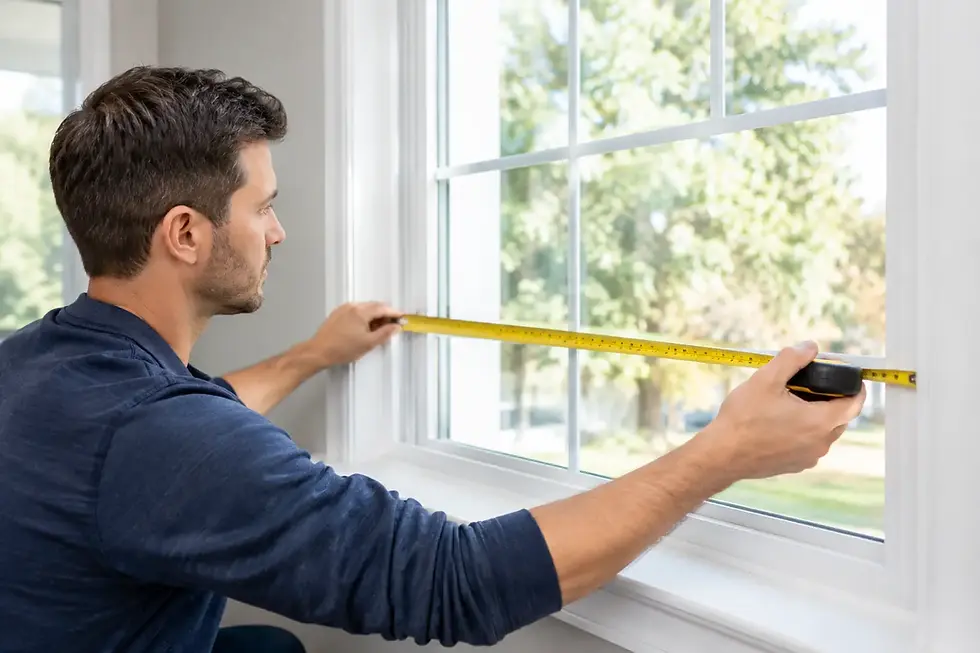
A high-quality replacement window can only perform as well as its installation allows. Accurate measuring, proper shimming, insulation at appropriate gaps, secure fastening, weather protection, and a clean interior and exterior finish all affect long-term operation and appearance.
Exterior wood around the opening deserves attention as well. Where appropriate, aluminum capping can protect exposed exterior trim from weather and reduce future painting and maintenance. It also gives the completed opening a clean, finished look. The right approach depends on the condition and design of the existing trim, so it should be evaluated as part of the project rather than treated as an afterthought.
Plan the Project Around Your Home, Not a Sales Promotion
If several windows need replacement, completing them together can create a more consistent appearance and may reduce the disruption of scheduling multiple visits. On the other hand, a homeowner with one leaking or unsafe window should not wait for every window in the house to fail before addressing it.
During an in-home consultation, ask for clear guidance on what should be repaired now, what should be replaced, and why. Discuss window styles, glass choices, ventilation, maintenance, exterior trim, and any signs of water damage. Honest advice should include trade-offs, especially when a less expensive repair is still a reasonable option.
After 40 years of focused window work, Just Windows by Slocomb has seen that the best projects begin with a close look at the home rather than a one-size-fits-all recommendation. If a window is making a room uncomfortable, showing moisture damage, or becoming difficult to use, having it assessed now can give you a clear path forward before the problem grows.


Comments