

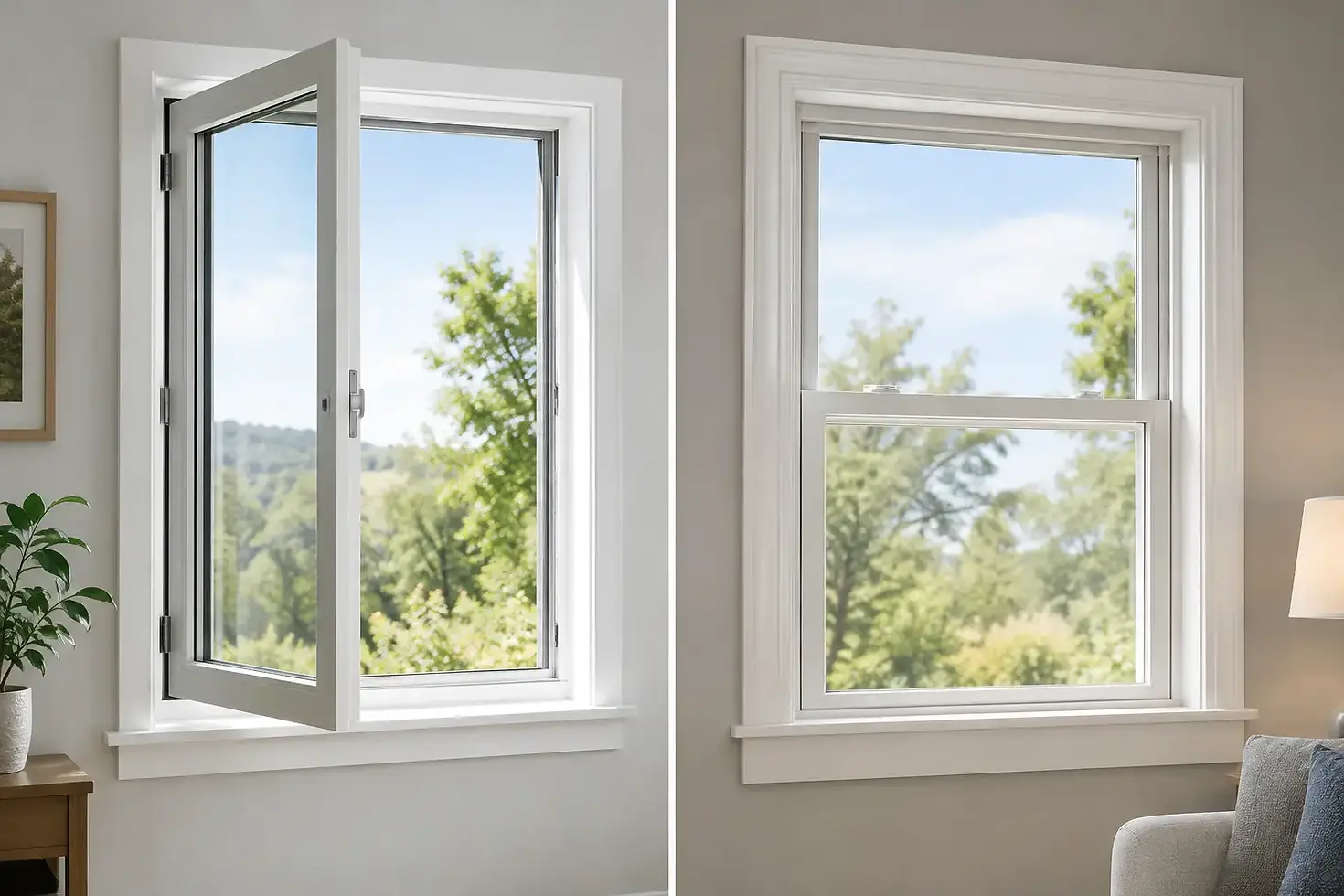
Casement Versus Double Hung Windows Compared

A window that sticks, leaks cold air, or is difficult to clean can make one room feel older than the rest of the house. When comparing casement versus double hung windows, the better choice usually comes down to where the window is located, how you use the room, and which features matter most to your household.
Both styles are proven options for Delaware and southeastern Pennsylvania homes. Both can be made with quality vinyl frames, insulated glass, and low-maintenance finishes. The difference is in how they operate, how they ventilate, and how they fit the look and practical needs of your home.
Casement Versus Double Hung Windows: The Basic Difference
A double-hung window has two vertically moving sashes. You can open the lower sash, the upper sash, or both at once. Many modern replacement double-hung windows also have tilt-in sashes, allowing homeowners to clean exterior glass from inside the home.
A casement window is hinged along one side and opens outward with a crank handle. When opened, it swings like a door. Casement windows are commonly used in kitchens, bathrooms, sitting areas, and other locations where a homeowner wants generous ventilation from a relatively compact opening.
Neither style is automatically better. A traditional home with several front-facing windows may benefit from double-hungs, while a kitchen window above a counter may be more comfortable to operate as a casement. The best decision considers the whole opening, not just the window style shown in a brochure.
Ventilation: How Much Fresh Air Do You Want?
Casement windows have a clear advantage when maximum airflow is the priority. Because the entire sash opens outward, nearly the full window opening can bring in fresh air. The open sash can also help direct a breeze into the home when positioned toward the wind.
Double-hung windows provide flexible ventilation. Opening the lower sash lets cooler air enter, while opening the upper sash can help warm indoor air escape. Opening both sashes slightly creates a useful circulation pattern, especially in bedrooms and upstairs rooms.
The practical difference is often most noticeable in smaller spaces. A casement can bring substantial airflow into a bathroom or kitchen without requiring a wide opening. For a larger bedroom or living room, a double-hung may provide plenty of ventilation while preserving the traditional appearance many homeowners prefer.
Energy Efficiency and Air Sealing
A properly built and installed casement window can offer excellent air sealing. When the sash closes, it presses against the weatherstripping along the frame. This compression-style seal can help reduce drafts when the window is closed and locked.
Double-hung windows have more moving components because both sashes travel up and down. Quality replacement double-hungs use weatherstripping, interlocks, and secure locks to control air infiltration. However, their design does not create the same compression seal as a casement.
That does not mean every casement is more energy efficient than every double-hung. Glass package, frame construction, insulation, weatherstripping, sizing, and installation quality all affect real-world performance. A well-installed, high-quality double-hung can be a major improvement over an older, drafty window. Conversely, a premium window will not perform as intended if gaps around the opening are not addressed during installation.
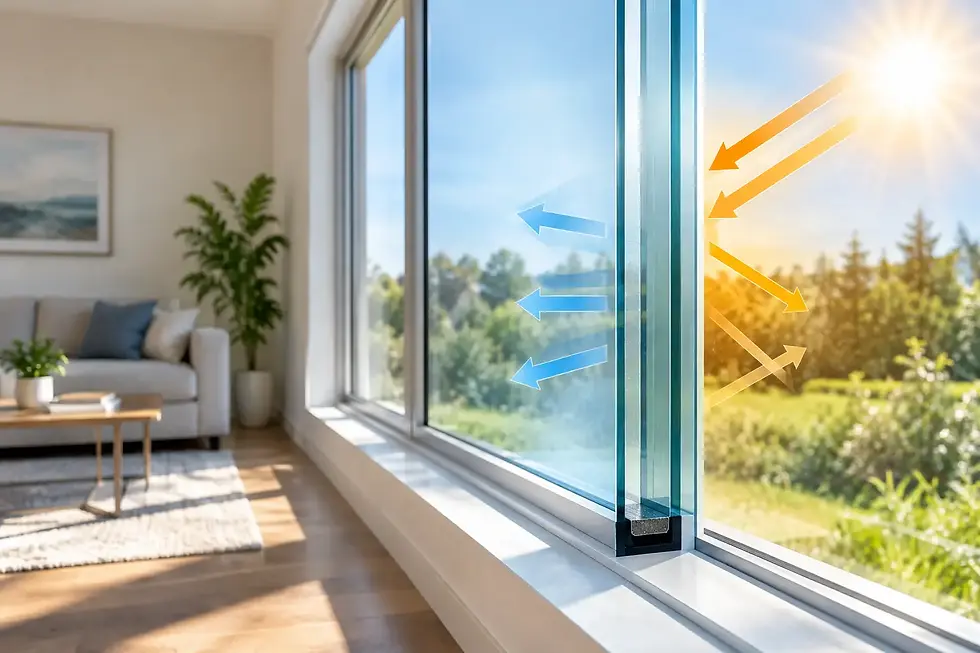
For homeowners concerned about winter drafts, summer heat gain, or rising utility costs, it makes sense to look beyond style alone. The right glass, the right fit, and careful installation matter just as much as the operating design.
Cleaning and Everyday Operation
Double-hung windows are often the more convenient choice for second-story rooms. On most modern replacement models, both sashes tilt inward. This allows you to clean the outside glass from inside the house, avoiding a ladder for routine cleaning.
Casement windows are easy to open with a crank, which is particularly helpful over a kitchen sink, countertop, or piece of furniture. The crank handle requires less reaching and lifting than a traditional window sash. Depending on the window's location, however, cleaning the exterior glass may require access from outside.
There are also maintenance considerations. Casements use hardware such as cranks, hinges, and operators that should be kept clean and functioning properly. Double-hungs rely on balances and tilt mechanisms. Both styles are designed for regular use, but like any moving part in a home, hardware can eventually need adjustment or repair.
Appearance and Curb Appeal
Double-hung windows are a familiar sight on Colonial, farmhouse, Victorian, and many traditional suburban homes throughout the Wilmington area. Their vertical proportions and balanced sash layout work naturally with historic-inspired architecture. Grids can further reinforce a classic look when they suit the home.
Casement windows tend to have a cleaner, more open glass area because they do not have a horizontal meeting rail in the middle. This can make them a strong choice for contemporary homes, ranch homes, additions, and locations where a clearer view is valuable. They can also be combined in groups to create a broad, attractive glass area.
Still, style is not limited by rules. Casements can look excellent in traditional homes, and double-hungs can look sharp in updated homes. The key is proportion. The replacement window should suit the opening, exterior materials, neighboring windows, and the character of the property.
Cost Considerations for Replacement Windows
Casement windows often cost more than comparably sized double-hung windows because of their operating hardware and construction. A larger casement may also require more careful planning for its outward swing, especially near walkways, decks, shrubs, or patios.
Double-hungs are widely used and available in many standard sizes, which can make them a cost-effective option for homes with multiple similar openings. If you are replacing many bedroom and front-facing windows at once, double-hungs may provide the appearance and functionality you want while keeping the project budget focused.
Cost should be weighed against use. Spending more for a casement over a kitchen sink may be worthwhile if it makes daily operation easier and improves ventilation. Choosing a double-hung for accessible cleaning on a second floor can also provide long-term value. The least expensive option is not always the most practical one for the room.
Where Each Window Style Works Best
Double-hung windows are often a natural fit for bedrooms, upper floors, front elevations, and homes where classic styling is important. They work well when you want easy interior cleaning and adjustable ventilation from either the top or bottom sash.
Casement windows are especially useful over sinks, in bathrooms, beside seating areas, and in rooms where you want a larger clear opening for air and views. They are also a good choice for homeowners who prefer crank operation over lifting a sash.
Window location can affect safety requirements, too. Bedrooms that serve as emergency escape rooms may need a window opening that meets egress requirements. Window size, sill height, clear opening dimensions, and local code requirements should be reviewed before selecting a style. A window can look right and still fail to provide the opening needed for the space.
Installation Details Matter as Much as Window Style
Replacement windows are only as dependable as the installation behind them. A careful installer evaluates the existing frame, opening condition, exterior trim, drainage details, and interior finish before recommending a solution. If wood around the opening has been exposed to weather, aluminum capping can protect and finish that exterior trim while giving the project a clean appearance.
At Just Windows by Slocomb, the recommendation begins with the home itself, not a one-size-fits-all package. With four decades of hands-on window experience, the goal is to help homeowners select a product that fits the opening, the home’s style, and the way the room is used.
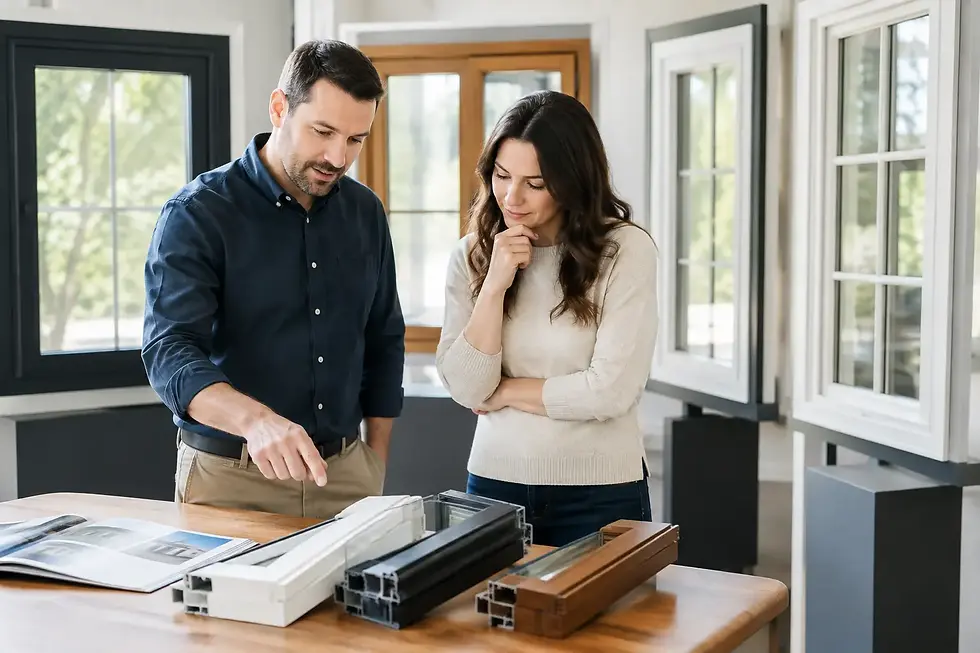
If you are deciding between these two styles, stand in front of each problem window and consider how you want it to work five or ten years from now. Think about airflow, cleaning access, the view, furniture placement, and the exterior space beyond the window. That practical conversation is often where the right replacement choice becomes clear.

Comments