


Double Hung Windows for Old Homes That Fit Right

A window replacement should not make an older home look like it came from a different neighborhood. Double hung windows for old homes are often the natural choice because they reflect the familiar vertical proportions, divided-light appearance, and practical operation found in many Delaware and Pennsylvania houses built decades ago. The right replacement can reduce drafts and maintenance without losing the balanced look that gives a traditional home its character.
The key is not simply choosing a double-hung style. It is choosing a window that suits the opening, the home’s architecture, and the condition of the existing frame. That takes careful measuring, honest product guidance, and installation work that addresses what is behind the old window, not just what is visible from the street.
Why double-hung windows suit older houses
A double-hung window has two vertically sliding sashes. In a traditional design, both the upper and lower sash can move, allowing warm air to exit through the top while cooler air enters below. That ventilation pattern is one reason this style remained popular for generations.
Just as important, double-hung windows have a familiar appearance. Their upright shape works well with Colonial, Federal, Victorian, farmhouse, Craftsman, and many mid-century homes. When replacement windows keep the proper proportions, grid pattern, and exterior details, they can look appropriate rather than overly modern.
Today’s double-hung replacement windows also solve several common frustrations with older units. Vinyl frames do not require regular scraping and painting. Insulated glass can improve comfort near the window. Tilt-in sashes make exterior glass easier to clean from inside the home, which is especially helpful on upper floors.
Still, replacement is not automatically the right answer for every old window. Original wood windows that are historically significant or structurally sound may deserve restoration, particularly on a designated historic property. A knowledgeable evaluation should distinguish between repairable wear and windows with extensive rot, failed operation, damaged frames, or ongoing air and water issues.
What to look for in double hung windows for old homes
The best choice depends on more than glass and color. Older houses often have openings that are not perfectly square, wall conditions that have changed over time, and exterior trim worth preserving. A quality window should be selected and installed with those realities in mind.
Proportions come before decorative details
A replacement window can have attractive grids and still look wrong if the sash proportions are too bulky. Narrower frames and balanced sightlines generally provide a better fit for traditional homes. The visible glass area should feel consistent with the other windows on the house, especially when only part of the home is being updated.
Grid patterns deserve the same attention. Six-over-six, two-over-two, or other divided-light arrangements may suit a period home, while a gridless window may be the better match for a simpler ranch or mid-century design. The goal is not to make every old home look historic. It is to make the new window look intentional.
Glass should improve comfort without changing the character
Single-pane windows can leave rooms cold in winter and uncomfortable near the glass during hot, sunny weather. Modern insulated glass helps reduce heat transfer, and low-emissivity coatings can improve energy performance further. Homeowners should also consider sun exposure. A large west-facing opening may benefit from different glass performance than a shaded north-facing one.
There are trade-offs. Highly tinted or reflective glass may not suit the appearance of an older home, and some energy-focused options can subtly change how daylight looks indoors. A window specialist can help match the glass package to the home’s needs instead of treating every room the same.
Color and exterior finish matter
White vinyl is a durable, practical option for many homes, but it is not the only consideration. The exterior should work with the siding, shutters, trim, brick, or stone already in place. Interior finishes matter too, especially where stained wood trim is a defining feature of the room.
For homes with painted exterior wood trim, aluminum capping can protect exposed wood around the opening and create a clean finished appearance. Properly formed capping helps direct water away from vulnerable areas and reduces future painting needs. It should fit the opening neatly, not cover up rot or substitute for needed repairs.
Replacement insert or full-frame installation?
This is one of the most important decisions in an older-home window project. An insert, sometimes called a pocket replacement, fits within an existing window frame. It can be an efficient solution when the existing frame is solid, square enough to accept the new unit, and free of significant water damage or rot. It also helps preserve interior trim and exterior details.
A full-frame replacement removes more of the existing window assembly. This approach may be necessary when the frame is deteriorated, the opening has water damage, the homeowner wants to change the window size or configuration, or the original construction is causing persistent problems. It can provide an opportunity to correct hidden issues, but it is more involved and may require trim work.
Neither approach is universally better. Installing a pocket window into a compromised frame may leave the underlying problem in place. Removing a sound original frame when an insert will perform well can add unnecessary disruption and cost. The condition of the opening should guide the recommendation.
Installation details that protect an older home
A high-quality window will only perform as well as the installation allows. Older homes rarely offer perfectly uniform openings. Settlement, previous repairs, layers of paint, and decades of weather can all affect the work.
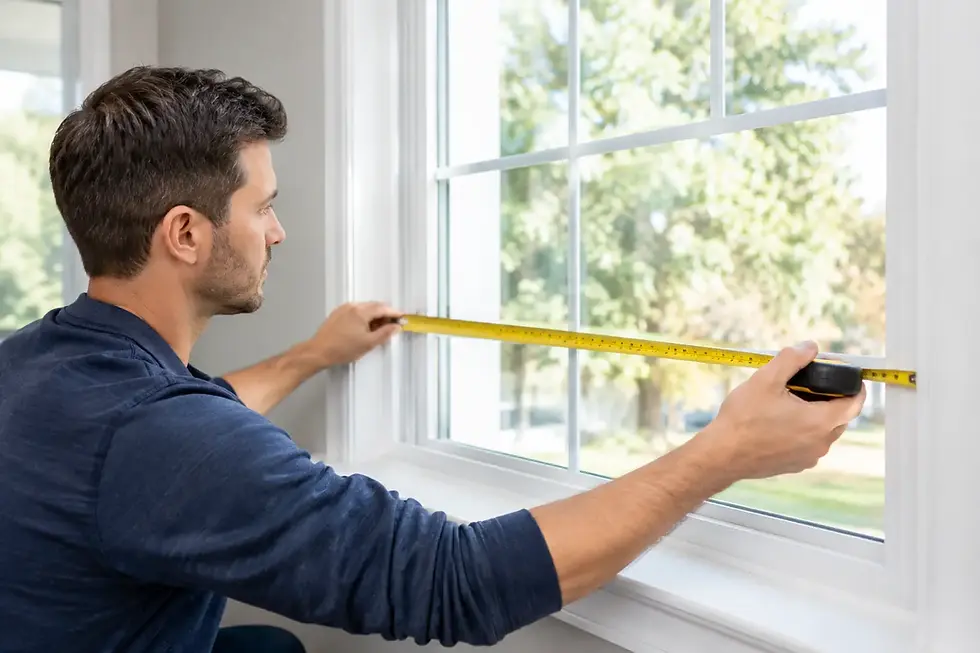
The installer should verify the opening dimensions, inspect the sill and surrounding wood, level and secure the replacement window correctly, and insulate gaps without distorting the frame. A window that is forced out of square may be difficult to lock, may not seal properly, and can wear prematurely.
Water management is equally important. Exterior caulking, flashing practices where applicable, and properly fitted capping all help protect the opening from moisture. Caulk is a finish detail, not a cure for failed framing or rot. If the wood around the opening needs repair, that should be addressed before the new window is expected to perform for years.
Inside the house, a careful installation also respects existing trim and finishes. Homeowners should ask how the crew will protect floors, furnishings, plaster, and interior woodwork, particularly in older rooms where replacement materials may be difficult to match.
Signs it may be time to replace old double-hung windows
Windows do not need to be completely broken before they warrant attention. Drafts, difficult operation, rattling sashes, recurring condensation between glass panes, and visible frame deterioration are all useful warning signs. So are rooms that remain noticeably colder or hotter than the rest of the house.
Painted-shut wood windows can sometimes be repaired. Loose hardware and worn weatherstripping may also be manageable fixes. But when multiple windows have decayed sills, failed balances, cracked glass, air leakage, or water intrusion, replacement may offer a better long-term value than repeated patchwork repairs.
A professional assessment is especially helpful when the problem is unclear. What appears to be a window issue may involve exterior trim, drainage, siding, or an installation from a previous owner that was never completed correctly.
Questions worth asking before you choose
Before approving a project, ask whether the proposed windows will preserve the visible proportions of your current openings, what glass package fits your home’s exposure, and whether the existing frames are sound enough for insert installation. Ask how exterior wood will be handled, whether capping is recommended, and what steps will be taken if hidden damage is found after the old unit is removed.
It is also reasonable to ask who will perform the installation and how the work will be finished inside and out. The lowest quote can leave out details that matter most on an older home, including trim work, insulation, capping, disposal, and repairs around the opening.
After four decades of working with replacement windows, Just Windows by Slocomb knows that older homes do not benefit from one-size-fits-all recommendations. A careful in-home consultation can identify whether a double-hung replacement, a repair, or a more extensive frame solution will protect both the comfort and the character of the house you already love.


Comments