


Casement Windows for Energy Efficiency: Do They Work?

A window can look perfectly fine from the curb and still be the source of a cold chair, a hot upstairs bedroom, or a heating bill that seems to climb every winter. For homeowners weighing casement windows for energy efficiency, the key advantage is not simply the glass. It is the way the window closes, seals, and is installed in the opening.
Casement windows are hinged on one side and open outward with a crank. When closed, the sash presses firmly against the frame, creating a compression seal. That operating design can make a meaningful difference in a home with aging windows, especially where drafts are noticeable around the edges.
The right replacement window is never only about one feature. Glass options, frame construction, exposure to sun and wind, the condition of the existing opening, and installation quality all affect the result. Still, for many Delaware and southeastern Pennsylvania homes, a well-built casement window is one of the strongest choices for improving comfort and reducing air leakage.
Why Casement Windows Can Be More Energy Efficient
A double-hung window has sashes that slide past one another. Modern double-hungs can perform very well, but their design includes meeting rails and sliding tracks that must be carefully weatherstripped. A casement window works differently. Its sash swings into position and locks against weatherstripping around the frame.
That pressure-based closure is the reason casements are known for good air-tightness. Less uncontrolled outside air entering the house means your heating and cooling equipment does not have to work as hard to maintain the temperature you set.
This matters on the practical days homeowners know well: a January wind coming through the Wilmington area, a humid Delaware summer afternoon, or a room that never feels as comfortable as the rest of the house. Replacing a drafty window will not solve every comfort issue in a home, but it can remove one common source of heat loss and unwanted air movement.
A casement can also offer a large glass area relative to its overall size because it does not need a center meeting rail. More daylight and a cleaner view are worthwhile benefits, although more glass is not automatically better for every wall. On a sunny west-facing wall, the correct low-emissivity glass coating is especially important to help manage solar heat gain.
Energy Efficiency Depends on More Than the Window Style
Casement windows have a strong design for air sealing, but the label "energy efficient" should not be treated as a blanket promise. Window performance comes from the complete unit and how it is fitted to the home.
Glass package and spacer system
For most replacement projects, insulated glass with a low-E coating is a sensible starting point. Low-E glass is designed to reflect certain heat energy while still allowing natural light into the room. In winter, it helps keep interior heat inside. In summer, it can help reduce heat coming through the glass.
The right coating depends on your home's orientation and how each room is used. A bright room with significant direct afternoon sun may benefit from a different glass selection than a shaded north-facing bedroom. Argon gas between panes and quality edge spacers can also support the performance of insulated glass.
Rather than choosing based on a marketing phrase alone, ask about the window's U-factor and solar heat gain coefficient. U-factor indicates how readily heat moves through the window. Lower numbers generally mean better insulating performance. Solar heat gain coefficient measures how much solar heat passes through the glass. A lower number can help limit summer heat gain, though the ideal level depends on the amount of sunlight a particular opening receives.
Frame construction
Quality vinyl replacement windows use multi-chamber frame construction to help limit heat transfer. They also resist the peeling, rot, and frequent painting associated with older wood windows. Vinyl is not the right answer for every historic or specialty project, but it is a practical, durable choice for many homeowners who want energy performance with low maintenance.
The frame must also be sized and configured correctly. A casement that is too large for its hardware or an opening that has deteriorated over time can create operating and sealing problems. That is why an in-home assessment is more valuable than selecting a standard size from a chart.
Installation and exterior details
Even a high-quality window can underperform if it is installed carelessly. Gaps around the frame, inadequate insulation, missing flashing details, or damaged surrounding wood can allow air and moisture to bypass the window itself.
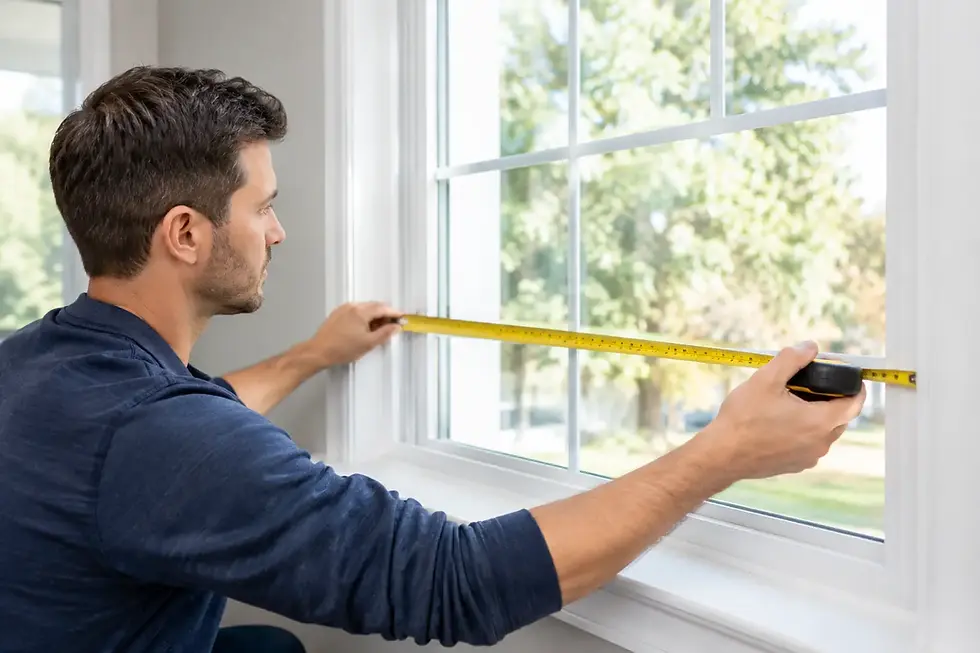
Professional installation begins with evaluating the opening, not just measuring it. The old unit must be removed properly, the new window set square and secure, and the perimeter sealed with appropriate materials. Where exterior trim or wood is worn, aluminum capping can protect the finished work from weather while giving the opening a clean appearance.
The goal is a completed window system that sheds water, limits air leakage, operates properly, and looks right on the home. Workmanship is not an add-on to energy efficiency. It is part of it.
Where Casement Windows Make the Most Sense
Casements are particularly useful in rooms where homeowners want both ventilation and a tight seal when the window is closed. Kitchens are a common example. A casement installed over a countertop can be easier to operate than a double-hung because the crank is within reach, and the outward-opening sash can direct a breeze into the room.
They also work well in bedrooms, sitting rooms, and hard-to-reach locations. Their full opening can provide more ventilation than many comparably sized double-hung windows. For some egress applications, a properly sized casement can provide the required clear opening, but dimensions must be confirmed for the specific location and local code requirements.
On the other hand, casements are not always the best fit. Because they open outward, they need clearance outside. They may be impractical next to a walkway, deck traffic area, or another feature that would interfere with the sash. In areas exposed to strong, frequent wind, hardware quality and proper sizing deserve special attention. A double-hung, slider, picture window, or combination of styles may better suit the layout of the home.
Fixed picture windows are worth considering where ventilation is not needed. Since they do not open, they can be extremely air-tight and are often paired with operable casements on either side. This arrangement can create a larger view while preserving the ability to bring in fresh air.
Signs Your Existing Windows May Be Costing You Comfort
Homeowners often focus on a window only after seeing fog between the panes or visible damage. Those are clear warning signs, but energy-related problems can be quieter. You may notice a persistent draft near a window, rooms that feel colder in winter, condensation on interior glass, fading furniture near sunny openings, or windows that stick and will not lock tightly.
Condensation does not always mean the window has failed. Indoor humidity, poor air circulation, and cold outdoor temperatures can all contribute. But recurring moisture, deteriorated seals, rot around the opening, or cloudy insulated glass deserve a closer look. A proper evaluation can separate a window problem from a broader ventilation or insulation issue.
Choosing Casement Windows for Energy Efficiency
The best decision starts with the conditions at your home. Consider where you feel drafts, which rooms receive the most sun, whether you need ventilation, and how the window must function in daily use. Then compare complete window options rather than focusing only on a single efficiency number or the lowest initial price.
For homeowners replacing several windows, it can make sense to use casements selectively. A kitchen, a windy side wall, or a room with a persistent comfort problem may be a good candidate, while other openings may call for double-hung or picture windows. A coordinated plan can improve performance without forcing one style into every space.
Just Windows by Slocomb has spent four decades helping Delaware and Pennsylvania homeowners assess these details in person. A free in-home consultation gives you the opportunity to discuss window style, glass options, existing opening conditions, and installation considerations before making a long-term investment.
A replacement window should do more than look new on installation day. When the style, glass, frame, and installation are chosen carefully, a casement window can help make the rooms you use every day feel more consistent, quieter, and easier to heat and cool.


Comments