

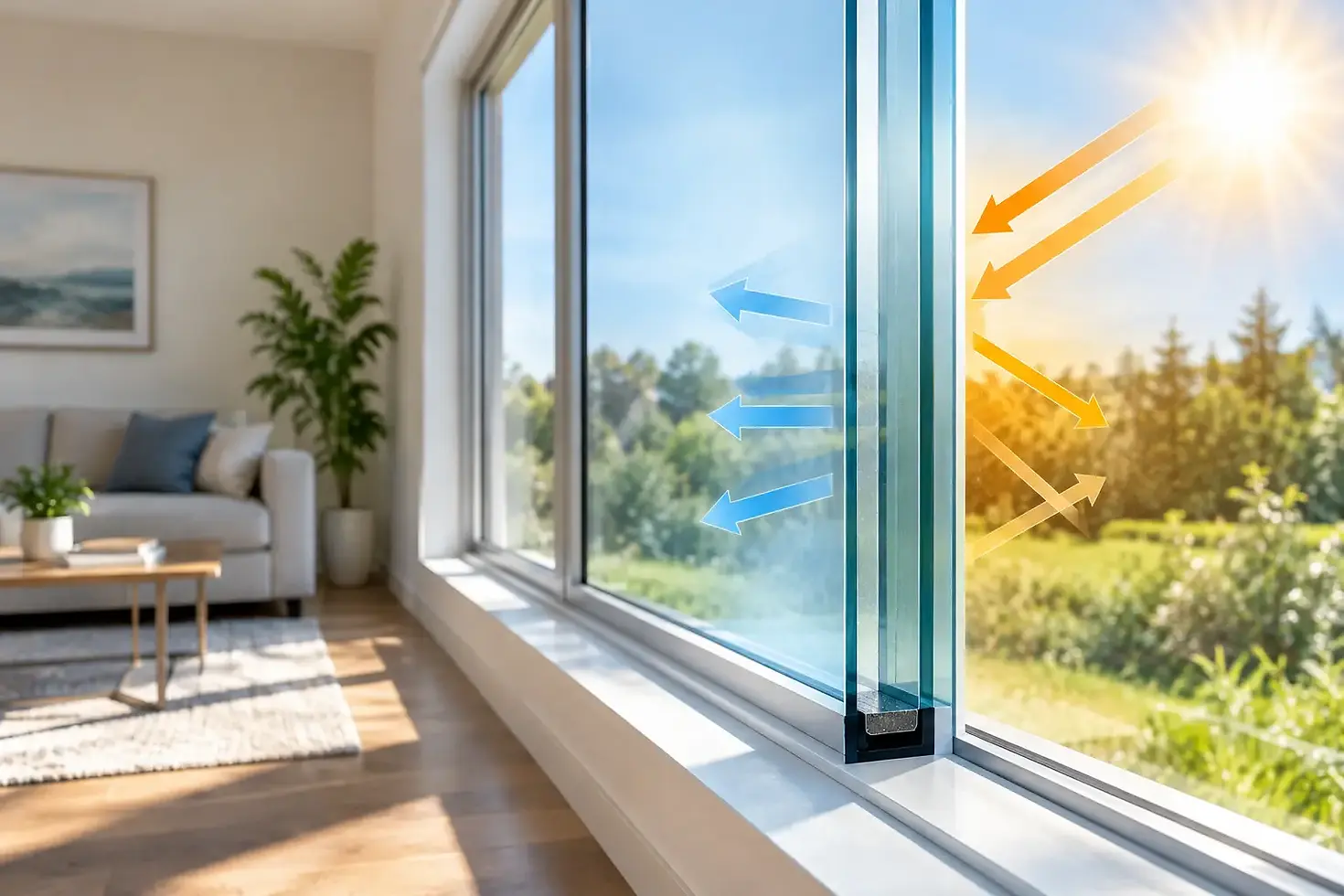
How Low-E Glass Improves Your Home Windows

A replacement window can look nearly identical to the one it replaces, yet perform very differently once summer sun hits the glass or winter temperatures settle in. Low-e glass is one of the details that makes that difference. It is a clear glass coating designed to help control heat transfer, giving homeowners a more comfortable home without sacrificing natural light.
For homeowners in Delaware and southeastern Pennsylvania, where humid summers and cold winter nights are both part of the year, glass selection deserves as much attention as frame style. The right low-e option can help reduce room-to-room temperature swings, protect furnishings from sun exposure, and improve how hard your heating and cooling system has to work.
What Is Low-E Glass?
Low-e stands for low emissivity. In plain terms, the glass has a microscopically thin, transparent metallic coating that reflects certain types of heat energy. The coating is far too thin to make a window look metallic or block the view, but it changes how the glass handles heat from sunlight and from inside the home.
Ordinary glass allows a significant amount of heat to pass through it. Low-e glass is designed to slow that transfer. During colder weather, it helps reflect indoor heat back into the room instead of allowing it to escape through the glass. During warmer weather, the right coating can limit the amount of solar heat that enters from outside.
That is why low-e glass is not simply an upgrade for winter or summer. It is a year-round performance feature. The results depend on the window itself, the direction it faces, the amount of shade around the home, and the specific type of low-e coating selected.
How Low-E Glass Works in a Window
Most replacement windows use insulated glass units, often called IGUs. These units have two panes of glass separated by a sealed spacer system. The space between the panes may be filled with air or an insulating gas such as argon. Low-e coating is applied to one of the interior-facing glass surfaces within that sealed unit, where it is protected from wear and cleaning.
A double-pane window has four glass surfaces. The exterior side of the outside pane is surface one, while the room-facing side of the inside pane is surface four. Depending on the intended performance, the coating may be placed on a different interior surface. That placement helps determine whether the glass is primarily managing heat loss, solar heat gain, or a balance of both.
The coating also filters a portion of ultraviolet light. UV exposure is one reason hardwood floors, upholstery, artwork, and draperies can fade near sunny windows. No window glass eliminates all fading, since visible light and heat can contribute as well, but low-e glass can provide meaningful added protection.
Why the Right Low-E Glass Matters Locally
A south-facing living room in Wilmington may receive strong sun for much of the day, while a shaded north-facing bedroom has an entirely different need. A glass package that works well on one side of a home may not be the best answer everywhere.
In our region, homeowners often want a balanced low-e coating. It should help retain indoor warmth during the heating season while reducing excessive solar heat during summer. This is especially valuable in rooms with large picture windows, bay windows, bow windows, or patio doors, where there is more glass area exposed to outdoor conditions.
A home with mature trees, deep roof overhangs, or exterior awnings may not need the same level of solar control as a home with wide, unshaded west-facing windows. West-facing rooms can become noticeably warmer in late afternoon, particularly when older windows have clear glass or deteriorated seals.
There is no single glass package that is right for every house. Honest recommendations begin with looking at the home, how each room is used, where the sun reaches the glass, and what concerns the homeowner wants to solve.
Understanding U-Factor and Solar Heat Gain
When comparing replacement windows, two ratings are especially helpful: U-factor and Solar Heat Gain Coefficient, commonly called SHGC.
U-factor measures how readily a window transfers heat. A lower U-factor generally means better insulation and less heat loss through the window. This rating reflects the performance of the whole window, not just the center of the glass. Frame construction, spacers, seals, and installation all play a role.
SHGC measures how much solar heat passes through a window. A lower SHGC blocks more solar heat, which can be helpful on hot, sunny exposures. A higher SHGC allows more solar warmth to enter. That can be beneficial in a colder climate or on a shaded side of the home, but it can also contribute to glare and overheating where direct sun is intense.
These numbers should be considered together. A homeowner might see a very low SHGC and assume it is always better, but that is not necessarily true. If a family enjoys bright winter sunlight in a shaded room, overly restrictive glass may make that room feel less welcoming. The goal is comfortable, efficient living, not selecting the lowest number on every label.
What Low-E Glass Can and Cannot Fix
Low-e glass can make a substantial difference when installed as part of a quality replacement window. It can improve interior comfort near the glass, reduce solar heat gain, limit UV exposure, and contribute to lower heating and cooling demands.
It cannot correct every source of drafts or discomfort. Air leakage can come from worn weatherstripping, poorly insulated wall cavities, unsealed trim, an improperly installed window, or a door that no longer closes correctly. Condensation can also have causes beyond the glass, including high indoor humidity, restricted airflow around windows, or poor ventilation.
That distinction matters because a window should never be judged by its glass alone. A high-performing insulated glass unit in a poorly installed frame will not deliver the result a homeowner expects. Proper sizing, secure fastening, insulation around the opening, careful sealing, and exterior finishing are all part of a dependable installation.
Low-E Glass Options for Replacement Windows
Low-e coatings are available in different formulations. Some are designed to maximize solar control, while others allow more of the sun's warmth into the home. Many modern options aim for a middle ground that works well through changing Mid-Atlantic seasons.
Tinted glass can be paired with low-e coatings when glare or direct sun is a major concern. It may be useful in a sunroom, a room with expansive west-facing glass, or an area where television screens and computer monitors are difficult to see during the day. The trade-off is that tinting reduces visible light, which may not suit a room where homeowners want the brightest possible view.
Decorative grids, privacy glass, tempered safety glass, and obscure glass are separate decisions that may also affect the final window package. A bathroom hopper window, for example, may need privacy and ventilation more than high visible light. A large living room picture window may call for a clearer appearance and a carefully chosen low-e coating to preserve the view.
Glass Performance Is Only Part of the Job
When replacing windows, it is tempting to focus on the advertised glass features and overlook the opening around the window. Yet the condition of the existing frame and exterior trim can directly affect long-term performance.
Old wood trim may need attention before or during replacement. Aluminum capping can protect exterior wood from moisture exposure and reduce the future maintenance associated with scraping and painting. It also gives the finished opening a clean, consistent appearance when it is properly formed and sealed.
Just Windows by Slocomb has spent four decades helping local homeowners match replacement windows to the real conditions of their homes. That includes looking beyond the brochure specifications to consider window style, exposure, existing trim, operation, and installation details.
When It Is Time to Ask About Low-E Glass
Consider discussing low-e glass when your windows feel cold in winter, rooms become uncomfortably hot in direct sun, furnishings are fading, or utility bills rise without another clear explanation. It is also worth evaluating when replacing fogged or failed insulated glass, since a broken seal reduces the insulating value of a double-pane unit.
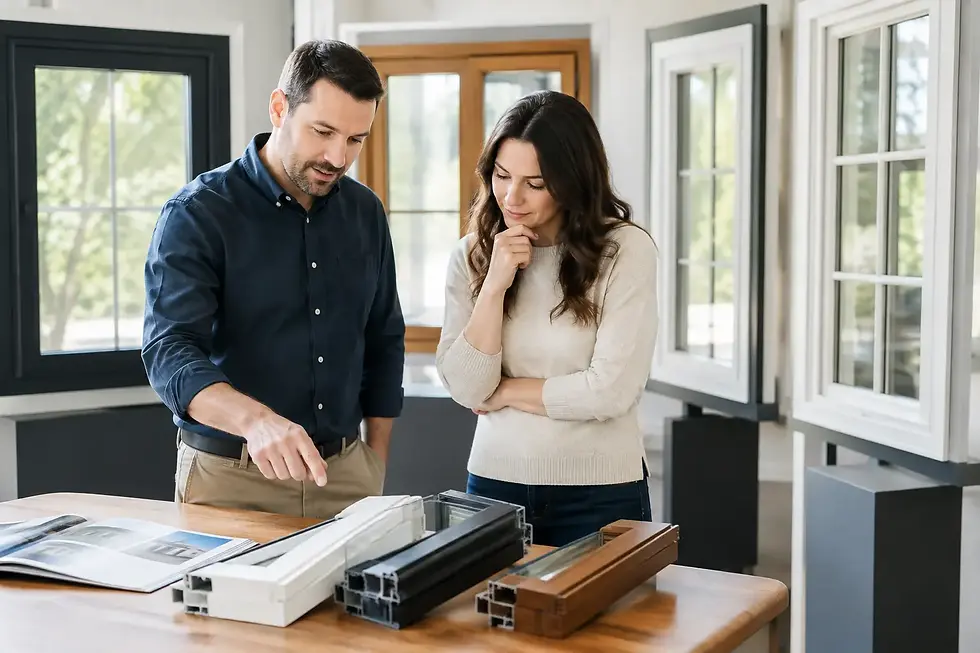
A free in-home consultation gives you the opportunity to compare glass options in the context that matters most: your home. Bring up the rooms that are hardest to heat or cool, the windows that receive the strongest afternoon sun, and any concerns about glare or fading. The best choice is the one that fits how you live in the space, not simply the one with the longest list of features.
A well-chosen low-e glass package should quietly do its job for years, helping your windows feel less like a weak point in the wall and more like the comfortable, clear view they were meant to provide.

Comments