

How to Compare Window Brands for Your Home

A replacement window can look excellent in a showroom and still be the wrong choice for your house. The difference often comes down to details that are easy to miss at first: frame construction, glass options, operating hardware, available sizes, and how the window will be installed. When comparing window brands, homeowners should look beyond the name on the label and focus on whether the complete window system suits their home.
For Delaware and southeastern Pennsylvania homeowners, that decision carries real weight. Windows need to handle humid summers, cold winter winds, driving rain, and the daily use of an active household. A good replacement window should improve comfort and appearance for years, not simply solve a short-term draft.
What Window Brands Can and Cannot Tell You
A manufacturer’s reputation is useful, but a brand name alone does not tell the whole story. Most established window manufacturers offer more than one product line. One line may be designed for a basic replacement project, while another has thicker frames, more glass choices, stronger hardware, or upgraded energy performance. Comparing two brands without comparing their specific product lines can lead to a misleading conclusion.
It also helps to separate the product from the installation. A high-quality window can underperform if it is measured incorrectly, set out of square, or not sealed and insulated properly around the opening. On the other hand, a professional installer can help you select a dependable product that fits the condition, style, and budget of your home.
The best question is not always, “Which brand is best?” A more useful question is, “Which window system is right for this opening, and who will install it correctly?”
Start With the Window Material and Construction
For many local homes, custom vinyl replacement windows offer a practical balance of durability, energy efficiency, and low maintenance. Quality vinyl windows do not need painting, resist moisture, and are available in styles that work with traditional Wilmington-area homes as well as newer construction.
Still, vinyl is not all the same. Ask about the frame and sash construction, including whether the window has multiple interior chambers designed to help reduce heat transfer. Look at the corners, welds, weatherstripping, locks, and balance systems. These are the working parts that affect how the window operates year after year.
A thinner frame can provide more visible glass, which some homeowners prefer. A heavier frame may offer added strength or insulation. Neither approach is automatically better. The right choice depends on the opening size, the style of the home, the amount of sun exposure, and your priorities for appearance and performance.
Wood and fiberglass windows may be appropriate in certain situations, especially when matching a historic design or pursuing a particular architectural look. They can also require a different level of maintenance and investment. An experienced window specialist should explain those trade-offs plainly rather than steering every home toward the same material.
Choose a Style That Solves the Actual Problem
Window brands vary in the styles and custom sizing they offer. This matters because the best replacement is not necessarily a duplicate of what is currently in the wall.
Double-hung windows remain a popular choice because both sashes can operate and tilt inward for cleaning. Sliders can be a sensible option for wide, low openings. Casement windows crank outward and can provide an excellent seal when closed. Picture windows maximize the view and daylight, while bay and bow windows can add dimension to a room. Hopper windows are often well suited to basements and smaller utility areas.
The right configuration should account for ventilation, furniture placement, access to the exterior, and how the room is used. For example, a kitchen window behind a sink may be easier to operate as a casement than as a double-hung. A bedroom window should also be evaluated for proper emergency escape requirements where applicable.
Compare Glass Packages, Not Just the Window Frame
Glass makes up most of the window area, so it has a major effect on comfort. Two windows that look nearly identical can perform very differently because of their glass packages.
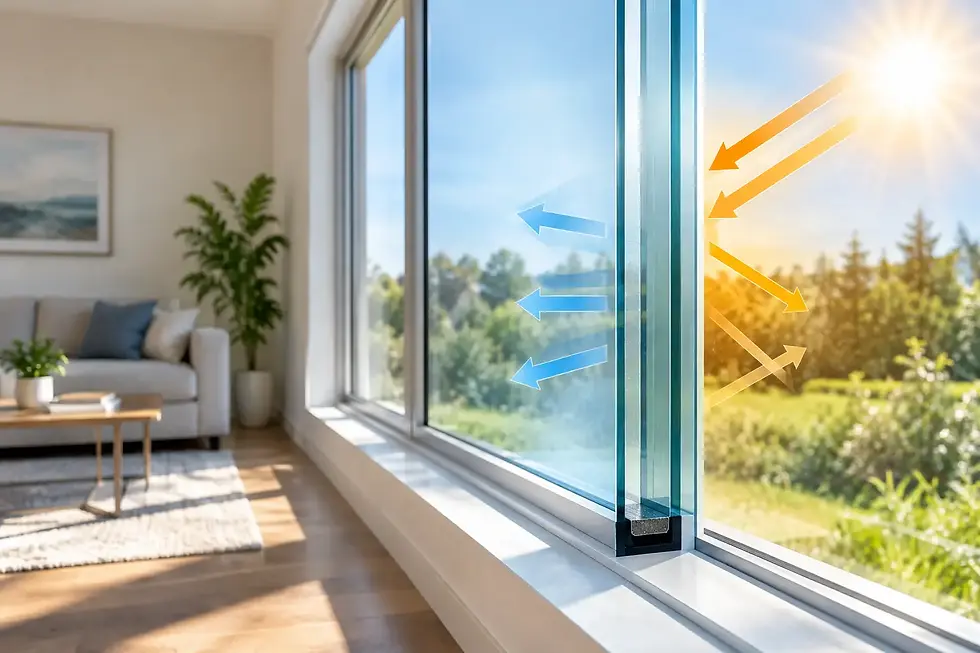
Low-E glass is designed to reflect certain heat energy while still allowing visible light into the home. In practical terms, it can help reduce summer heat gain and limit heat loss during cooler weather. Argon gas between panes is another common feature that improves insulation. Depending on the location of the home and the direction the windows face, homeowners may also benefit from glass options that manage strong afternoon sun or help reduce outside noise.
The ratings can be helpful, but they should not be treated as a contest for the lowest number. U-factor measures how readily a window transfers heat, so lower values generally indicate better insulation. Solar heat gain coefficient measures how much solar heat enters through the glass. Lower may be helpful on a hot, sunny exposure, but it may not be the ideal choice for every window in every room.
A south- or west-facing family room with large glass areas has different needs than a shaded north-facing bedroom. A good recommendation considers the individual opening instead of applying the same glass package throughout the house without discussion.
Look Closely at Warranties and Service
A window warranty deserves more than a quick glance at the word “lifetime.” Read what it covers, how long coverage lasts, whether it transfers to a new homeowner, and what conditions may limit coverage. Some warranties cover insulated glass seal failure but handle labor differently. Others may exclude damage caused by improper installation, misuse, or building movement.
The practical value of a warranty also depends on who will be available to help if an issue arises. A local company with a long history in the area has an interest in standing behind its work. That local accountability matters when a sash needs adjustment, hardware requires attention, or a glass unit develops a problem years after the installation.
Ask who will handle service calls: the manufacturer, the installer, or both. A clear answer is a good sign. Vague promises are not.
Installation Is Part of the Product
Replacement windows are custom-made for existing openings, and existing openings are rarely perfectly uniform. Accurate measuring is essential, but it is only the beginning. The installer also needs to evaluate the condition of the sill, exterior trim, surrounding walls, and any signs of moisture damage.
During installation, the window must be properly leveled, secured, insulated, and sealed. The goal is to create a weather-resistant installation that allows the window to operate as intended. Careful finishing on the inside and outside also affects the final appearance.
Exterior aluminum capping is often an important part of the project. Capping covers and protects exposed exterior wood around the window opening, helping reduce future maintenance while providing a clean, finished look. It should be formed carefully to fit the home rather than treated as an afterthought.
This is why a very low quote is not always a good value. It may reflect a simpler product, but it can also leave out necessary trim work, glass upgrades, removal details, or proper exterior finishing. Make sure proposals describe the scope of work, not just the number of windows being replaced.
Questions to Ask When Comparing Window Brands
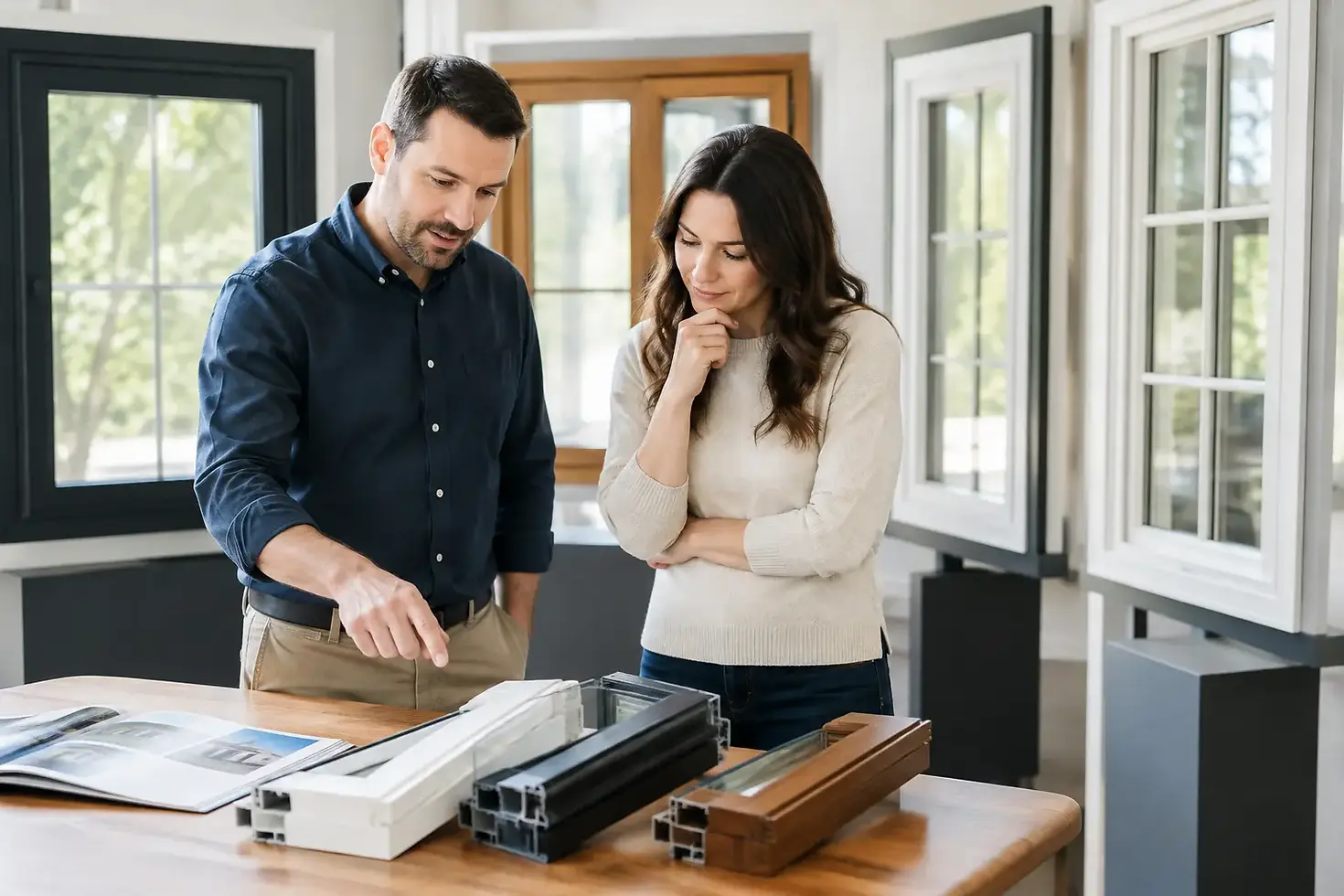
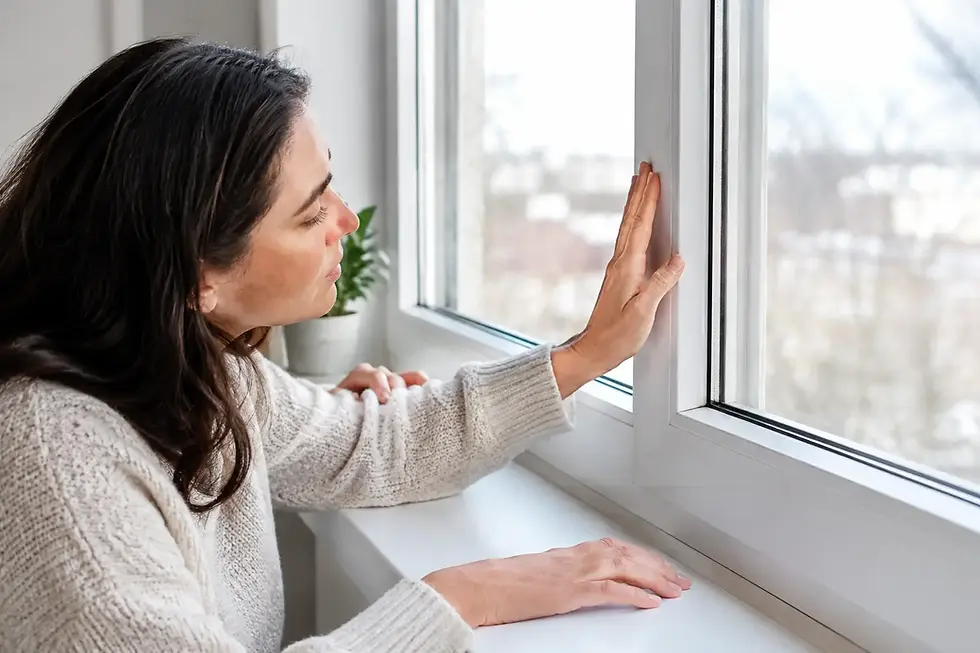
Before making a decision, ask to see the actual window product and operate it yourself. Notice how it locks, opens, tilts, and feels when closed. Ask which glass package is included in the quote and why it was recommended for your home. Confirm whether custom sizes, grids, exterior colors, and interior finishes are available if those details matter to your project.
You should also ask how the installer handles damaged trim, hidden rot, exterior capping, cleanup, and service after the job is complete. The answers reveal as much about the contractor as the sample window reveals about the manufacturer.
At Just Windows by Slocomb, the conversation begins with a free in-home consultation because the home itself provides the information that a catalog cannot. Window openings, sun exposure, exterior conditions, and homeowner goals all shape a sound recommendation.
A well-chosen window should feel like a permanent improvement, not a compromise you notice every time the wind picks up or the utility bill arrives. Take the time to compare the complete system - product, glass, installation, finishing, and service - and you will be in a far better position to choose with confidence.

Comments