

Can Foggy Windows Be Repaired? Your Options

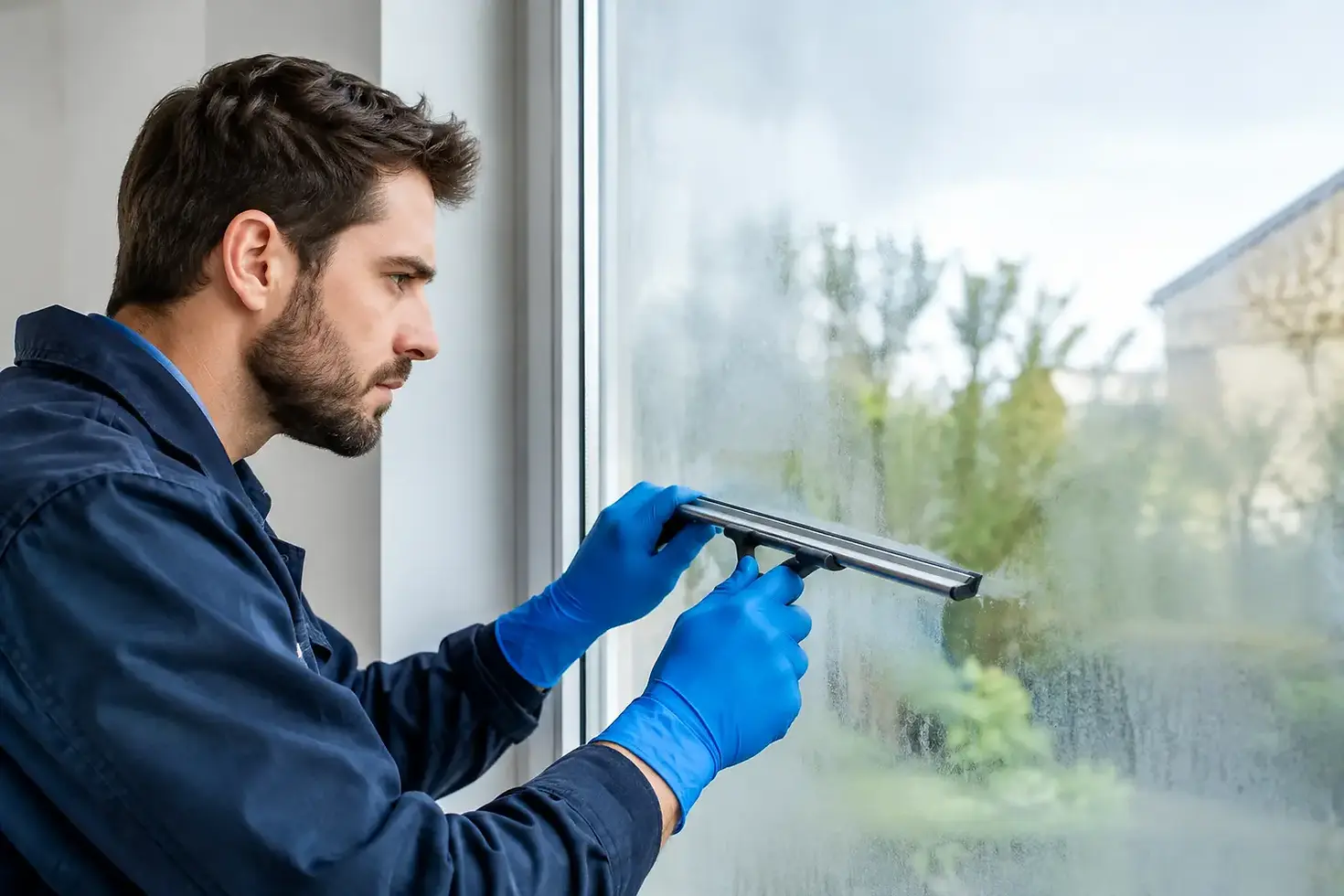
A window can look permanently dirty even after you clean both sides of the glass. When the haze, streaks, or moisture are trapped between panes, the question is not really about cleaning: can foggy windows be repaired in a way that restores the window’s appearance and performance? Often, yes - but the right repair depends on what caused the fog and how the window was built.
For homeowners in Delaware and southeastern Pennsylvania, fogged glass is especially frustrating because it can come with drafts, higher utility bills, or a window that no longer complements the rest of the home. A proper assessment separates a repairable glass problem from a window that is nearing the end of its useful life.
Why Windows Become Foggy
Most modern replacement windows use insulated glass units, often called IGUs. These units contain two or sometimes three panes of glass separated by a sealed space. That space may contain ordinary air or insulating gas, and the sealed perimeter is designed to keep moisture out.
Fogging between the panes usually means that perimeter seal has failed. Humid outdoor air enters the space, moisture condenses on the glass, and mineral deposits can leave a cloudy film behind. The fog may appear and disappear with changes in temperature, but the failed seal does not repair itself.
Not every window with moisture on it has a failed seal. Condensation on the room-side surface commonly points to high indoor humidity, limited air circulation, or a cold glass surface. Condensation on the exterior surface can actually be a sign that an efficient window is keeping indoor heat from warming the outside pane. Moisture between panes, however, is the clear signal that the insulated glass unit has lost its seal.
Can Foggy Windows Be Repaired Without Replacement?
The short answer is that the glass unit can often be repaired or replaced, while a dependable repair of the failed seal itself is less common. The best choice comes down to the condition of the frame, sash, hardware, and surrounding opening.
Replacing the insulated glass unit
If the frame and sash are in good condition, replacing only the insulated glass unit may be the most sensible solution. A qualified window specialist measures the existing glass, orders a matching sealed unit, and installs it into the existing sash. This restores clear views and the insulating space between the panes without changing the entire window.
Glass-only replacement is particularly worthwhile when the window operates smoothly, the vinyl or wood frame is sound, and the style is still a good fit for the home. It can also help preserve the appearance of a specialty window when a full replacement would be unnecessary.
The new glass should be selected carefully. Matching the pane thickness, grid pattern, tint, and low-emissivity coating matters, especially if the affected window sits beside other windows on a highly visible front elevation. A close match protects curb appeal and helps maintain consistent energy performance.
Defogging services
Some companies offer defogging, which generally involves drilling small openings in the glass unit, removing moisture, and adding vents or sealant. This may improve the view for a period of time, but it does not recreate the original factory-sealed insulated unit.
Defogging can be an option when appearance is the only concern and the homeowner understands the limitations. It is not usually the best long-term answer for a window that has lost insulating gas, has visible residue between the panes, or is already drafty. The unit may still have reduced efficiency, and fogging can return.
Replacing the sash
Certain window systems allow the sash - the movable portion holding the glass - to be replaced without replacing the entire frame. This can make sense when the frame remains secure but the sash has seal failure, damaged balances, worn locks, or other operational issues.
Sash replacement is not available for every brand or model, and obtaining an exact match can be difficult for older windows. Before selecting this route, it is worth confirming whether replacement parts are still made and whether the new sash will match the existing window’s finish, grids, and glass options.
When Full Window Replacement Is the Better Repair
A failed seal is sometimes just the most visible symptom of a larger problem. Replacing the glass alone will not correct rotted wood, warped frames, water intrusion around the opening, failed hardware, or persistent drafts caused by poor installation.
Full replacement is generally the better investment when several issues are present. A homeowner may notice foggy glass along with windows that stick, locks that do not engage, peeling or deteriorated frames, or cold air around the sash. If multiple windows have failed seals, a broader replacement project can provide more consistent comfort and appearance than repairing units one at a time.
Window age matters, but condition matters more. An older wood window with a sound frame may deserve a glass repair. A newer-looking window with water damage or a poorly sealed installation may need more extensive work. This is why an in-home assessment is more useful than choosing a solution based on fog alone.
A quality replacement window also creates an opportunity to address details beyond the glass. Proper sizing, insulation at the opening, exterior caulking, and aluminum capping around exterior wood can all affect durability and the finished appearance. Those details are easy to overlook, yet they have a major effect on how the window performs over time.
What Affects the Cost of Repairing Foggy Windows?
There is no single price for a fogged-window repair because glass units are made to fit specific openings. Window size, glass type, grids, tempered safety glass, decorative patterns, and access all influence the cost. A large picture window or a custom-shaped unit will typically require a different approach than a standard double-hung sash.
The condition of the existing window also affects value. Spending money on replacement glass is reasonable when it gives an otherwise solid window many more years of service. It is less attractive when the frame, balances, weatherstripping, and exterior trim are all failing at the same time.
Warranty coverage is worth checking before approving any repair. Some manufacturers offer coverage for insulated-glass seal failure for a stated period, although labor, transferability, and documentation requirements vary. Keep purchase paperwork if you have it, and have a professional identify the window manufacturer and model before assuming a warranty applies.
How to Decide What Your Window Needs
Start by confirming where the moisture is located. Clean the inside and outside surfaces of the glass. If the haze remains between panes, take note of whether it affects one window or several. Then look for related concerns such as drafts, difficult operation, loose hardware, cracked glass, soft trim, or signs of water around the frame.
Avoid applying aftermarket films, drilling the glass yourself, or using aggressive cleaners in an attempt to remove fog between panes. These methods can damage the glass, void a warranty, or create a safety issue without solving the failed seal.
A window professional can inspect the whole assembly, not just the cloudy section. That inspection should consider the glass, sash, frame, weatherstripping, exterior sealants, and condition of the opening. From there, the recommendation should be straightforward: replace the insulated glass, replace the sash where possible, or replace the complete window when a more lasting solution is warranted.
Get a Clear Answer Before You Replace Anything
Fogged windows are not automatically a full-replacement project, and a low-cost defogging treatment is not automatically a lasting repair. The right answer is the one that fits the actual condition of your window and the way you plan to use your home.
With four decades of hands-on window experience, Just Windows by Slocomb can help homeowners evaluate the condition of their existing windows and make a practical decision. A clear view is valuable, but so are comfort, proper operation, and workmanship that holds up through Delaware’s changing seasons.



Comments