


Are Vinyl Windows Energy Efficient for Your Home?

A cold draft near the living room window, rooms that overheat in the afternoon, and condensation on the glass are more than small annoyances. They can point to windows that are no longer doing their job. So, are vinyl windows energy efficient? Quality vinyl replacement windows can be an excellent energy-efficient choice, but the answer depends on the window's construction, glass package, fit, and installation.
For Delaware and southeastern Pennsylvania homeowners, that distinction matters. Our homes see humid summers, winter cold snaps, driving rain, and plenty of temperature swings in between. A window needs to help manage all of it while still opening easily, looking right on the home, and holding up for years.
Are Vinyl Windows Energy Efficient Compared With Other Options?
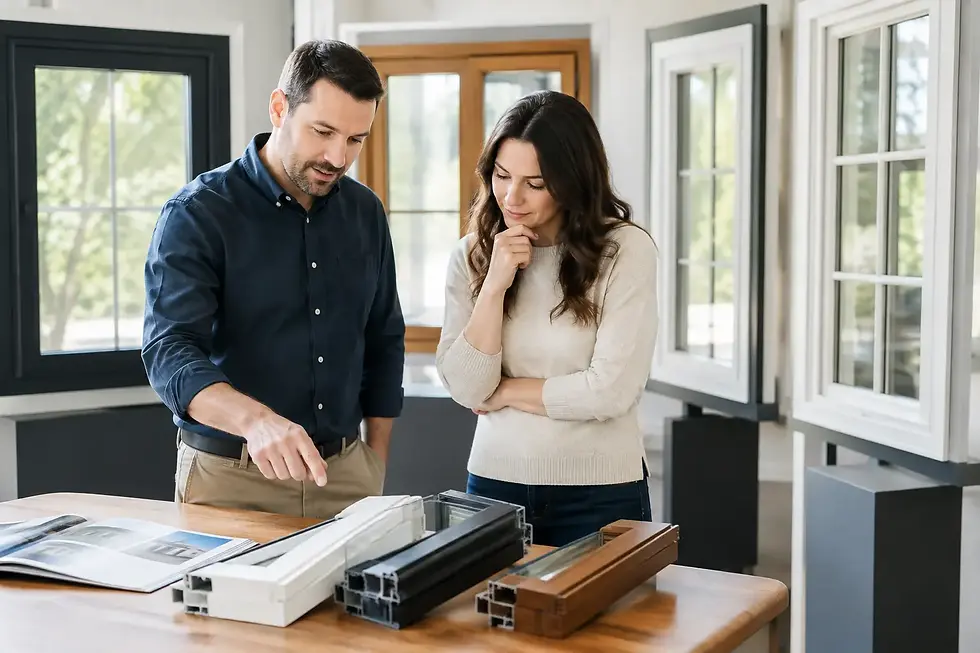
Vinyl is naturally a poor conductor of heat compared with aluminum. That means a vinyl frame does not readily transfer outdoor heat or cold into the home. Quality vinyl replacement windows also use multi-chamber frames. These are internal air pockets within the frame that help slow heat transfer and improve the window's insulating value.
That frame performance is one reason vinyl has become a practical replacement option for many homeowners. It does not need painting, resists moisture, and can deliver strong thermal performance at a more approachable cost than some premium wood or fiberglass options.
Still, vinyl alone does not make a window efficient. Two windows may both have vinyl frames while performing very differently. The better window will generally have a well-designed frame, tightly fitted sashes, dependable weatherstripping, insulated glass, and careful installation at the opening.
A low-priced replacement window can look acceptable on the showroom floor yet have thinner components, limited weatherstripping, or glass that is not suited to the home. The most useful comparison is not simply vinyl versus another material. It is the complete window system versus the conditions in your house.
What Makes a Vinyl Window Perform Well?
Energy performance is measured in several ways. You do not have to become a window engineer to make a sound decision, but understanding a few terms helps you compare proposals fairly.
U-factor measures heat loss
U-factor shows how readily a window lets heat move through it. Lower numbers are better because they mean the window is better at keeping heat inside during winter and outside during summer. The whole-window U-factor matters more than the center-of-glass number because it accounts for the frame, sash, spacers, and glass together.
For a home with older single-pane windows or aging double-pane units, a properly selected vinyl replacement window can make a noticeable difference in comfort. It can reduce the cold-glass feeling near seating areas and help rooms maintain a steadier temperature.
Solar heat gain matters on sunny exposures
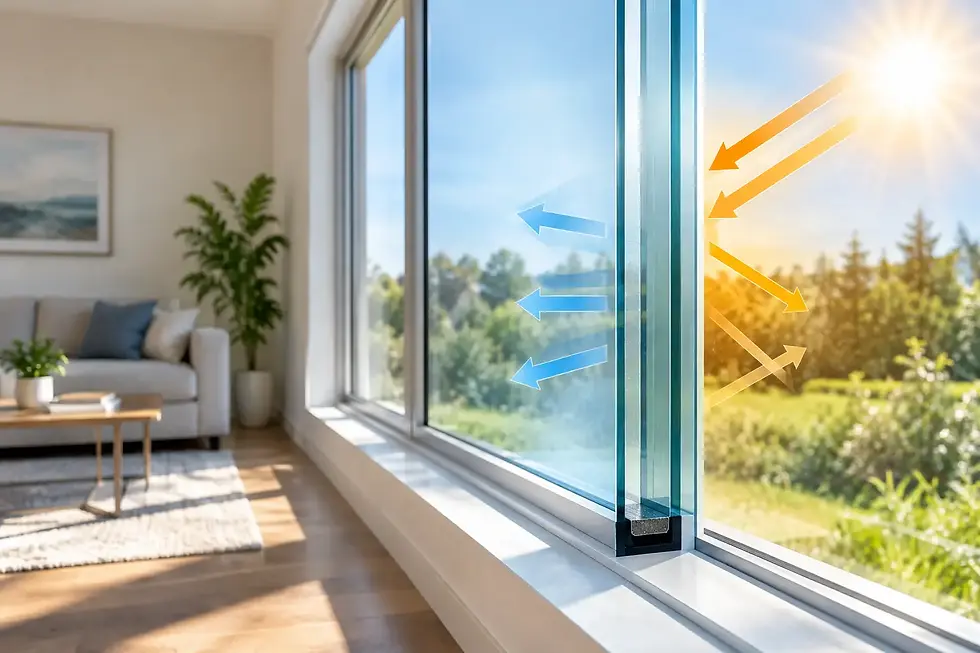
Solar Heat Gain Coefficient, often called SHGC, indicates how much solar heat passes through the window. A lower SHGC blocks more solar heat, which can be helpful on west- and south-facing walls that become uncomfortably warm in summer.
Lower is not automatically better for every opening. A window that receives welcome winter sun may benefit from a different glass choice than one facing a hot afternoon driveway. The right balance depends on orientation, shade from trees or porches, room use, and the home's heating and cooling priorities.
Low-E glass and gas fills add insulation
Most energy-efficient replacement windows use double-pane insulated glass. The two panes are separated to create an insulating space, often filled with argon gas. Many also include a low-emissivity, or Low-E, coating that reflects heat while allowing useful daylight into the home.
The coating can help keep interior heat in during winter and reduce solar heat entering during summer. Different Low-E options are available, so the best choice is not always the same from one wall of the home to another. A kitchen with strong afternoon sun has different needs than a shaded bedroom.
Air leakage affects comfort every day
A window can have a respectable glass package and still feel drafty if air moves around the sashes or through gaps at the installation. Quality weatherstripping, secure locks, proper sash alignment, and a correctly sized unit all work together to limit air leakage.
This is particularly important with double-hung windows, where two operable sashes create more meeting points than a fixed picture window. It does not mean double-hung windows are inefficient. It means the quality of the unit and the workmanship of the installation deserve close attention.
Why Installation Is Part of Energy Efficiency
Replacement windows do not perform their best simply because they have good ratings on paper. They must be measured accurately, fitted properly, insulated at the opening, sealed against weather, and finished in a way that manages water outside the house.
An opening can hide rot, damaged exterior trim, gaps from a past installation, or framing that is not square. Those conditions should be addressed rather than covered up. If the window is forced into an uneven opening or sealed carelessly, homeowners may still experience drafts, water concerns, and operation problems.
Exterior aluminum capping can also be a valuable part of a finished replacement project. When properly formed over sound exterior wood trim, it helps protect the trim from rain and reduces future painting and maintenance. It is not a substitute for repairing damaged wood, but it can provide a cleaner, more durable exterior finish.
At Just Windows by Slocomb, a free in-home consultation is designed to look beyond a standard window size. With 40 years of hands-on window experience, the goal is to assess the opening, discuss how each room is used, and recommend a product and installation approach that makes practical sense for the property.
When Vinyl May Not Be the Best Answer
Vinyl works well for many homes, but honest advice means recognizing its limits. If a homeowner is trying to match a specific historic wood profile, a wood-clad option may be a better visual fit. Very large window openings or specialty architectural designs may also call for a product with additional structural considerations.
Color can be another factor. Dark exterior vinyl finishes have improved significantly, but darker colors absorb more heat. On highly exposed elevations, it is worth discussing the manufacturer's color options, reinforcement details, and warranty coverage rather than assuming every finish performs the same way.
Vinyl windows also cannot correct every energy issue in a home. Poor attic insulation, leaky doors, uninsulated walls, aging HVAC equipment, and air gaps around plumbing or electrical penetrations can all affect utility bills and comfort. New windows are often an important improvement, but they should be part of a realistic plan for the whole house.
Choosing an Energy-Efficient Vinyl Replacement Window
Start with the problems you want to solve. If bedrooms are cold in winter, focus on U-factor, air leakage, and the condition of the existing openings. If a family room gets intense late-day sun, ask about glass options that control solar heat gain. If noise is a concern, the glass configuration and the quality of the seal may deserve as much attention as energy ratings.
Window style matters too. Casement windows often seal very tightly because the sash closes against the frame. Picture windows have no operable parts, so they can offer excellent efficiency where ventilation is not needed. Double-hung, slider, bay, bow, and hopper windows can all be efficient choices when they are well-built, correctly specified, and professionally installed.
Ask to see the whole-window performance information for the proposed product. Also ask what will happen to the existing trim, whether any damaged materials will be identified, how the exterior will be sealed and finished, and who will handle the installation. Clear answers are a good sign that the project is being treated as a long-term improvement rather than a quick swap.
The right vinyl window should make a room feel quieter, less drafty, and more comfortable without asking you to think about it every day. A careful in-home assessment gives you the best chance of choosing that window before the work begins.

Comments