

Window Inserts Versus Full Frame: Which Fits?

A replacement window can look great on installation day and still be the wrong choice if the existing frame, sill, or exterior trim has problems hiding beneath the surface. That is why the decision between window inserts versus full frame replacement should begin with the condition of your current opening, not just the style of window you want.
For homeowners in Delaware and nearby Pennsylvania, both options can be excellent solutions. The right one depends on what can be preserved, what needs to be repaired, and how much of the window's original character and opening size you want to keep. A knowledgeable inspection is worth more than a quick estimate because the installation method has a direct effect on comfort, appearance, durability, and long-term performance.
Window Inserts Versus Full Frame Replacement
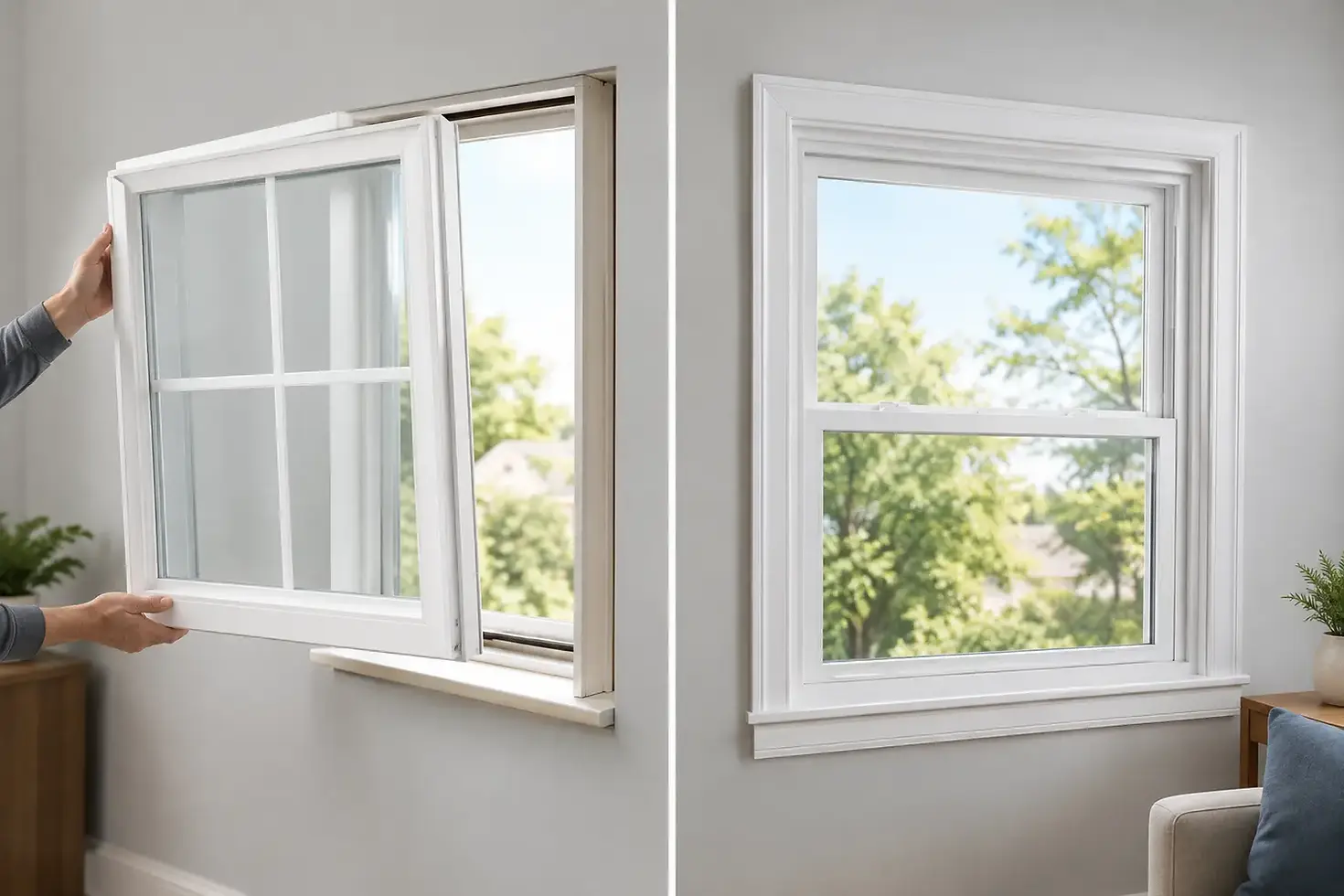
An insert window replacement, sometimes called a pocket replacement, is installed within an existing window frame. The old operating sash, balances, and related components are removed, but the original frame remains in place. The new custom replacement window fits inside that existing frame.
A full frame replacement removes the entire window assembly down to the rough opening. That usually includes the old frame, interior and exterior trim, and any damaged materials around the opening. The installer can then inspect the framing, address hidden issues, add proper flashing and insulation, and install a complete new window system.
Neither method is automatically better. Insert replacement is often a smart, efficient choice when the existing frame is sound and square. Full frame replacement is the better investment when the existing frame is damaged, poorly constructed, or limiting the result you want from the project.
When Window Inserts Make Sense
Insert windows work well when the original wood frame is solid, dry, and free of significant rot. The sill should be in good shape, the opening should be reasonably square, and there should be no evidence that water has been entering around the window. In many older Wilmington-area homes, a well-built original frame can provide a dependable foundation for a custom vinyl insert window.
The main advantage is that insert replacement preserves more of the existing opening. Because less trim and surrounding material must be removed, installation can often be completed with less disruption to interior finishes and exterior siding or brickwork. This can be especially helpful in homes with finished interior trim that homeowners want to retain.
Insert replacement may also be the practical choice when the goal is to improve draft control, ease of operation, and glass efficiency without changing the overall look of the home. New double-hung, slider, casement, picture, or hopper windows can provide a substantial improvement over worn-out units when they are carefully measured and properly installed.
There is a trade-off. Since the new window is installed inside the existing frame, the glass area becomes slightly smaller. With a quality custom window, the difference is often modest, but it should be discussed before work begins. This matters most when a homeowner wants the maximum possible daylight, an expanded view, or an emergency egress opening that must meet a specific size requirement.
When Full Frame Replacement Is the Better Choice
Full frame replacement is recommended when the existing frame cannot serve as a sound base for a new window. Rotting wood, soft sills, water staining, insect damage, failed exterior trim, and out-of-square openings are all reasons to look beyond an insert installation.
This approach is also valuable when previous work was done poorly. A window may be drafty not because the glass has failed, but because the original installation lacks proper insulation, flashing, or exterior protection. Replacing only the sash area would leave those problems in place. A full frame installation lets the installer reach the rough opening and correct the conditions that are causing trouble.
Homeowners may choose full frame replacement when they want to change the window's configuration or size. Converting a pair of smaller units into a bay or bow window, replacing an old slider with a casement, or enlarging a window opening requires more extensive work. The same is true when interior or exterior trim needs to be rebuilt for a cleaner finished appearance.
A full frame project typically involves more labor and may affect drywall, interior woodwork, siding, brick molding, or other finishes around the opening. It can cost more than an insert replacement, but it gives the installer complete access to the opening. When damage is present, paying for the more thorough method can prevent the expense of covering up a problem that will worsen over time.
What a Professional Inspection Should Look For
Homeowners can spot obvious peeling paint, fogged glass, drafts, and difficult operation. What is harder to see is the condition behind the trim. An experienced window specialist checks the full picture before recommending an installation method.
The inspection should consider whether the sill is solid, whether the frame is square, and whether there are signs of moisture around the opening. It should also look at the exterior details that manage water. Caulk is useful, but it is not a substitute for sound flashing, proper drainage, and protected exterior wood.
In this region, weather exposure can be demanding. Summer humidity, wind-driven rain, winter cold, and repeated freeze-thaw cycles can reveal weaknesses around a window opening. A quality installation should account for those conditions rather than simply fitting a new unit into place.
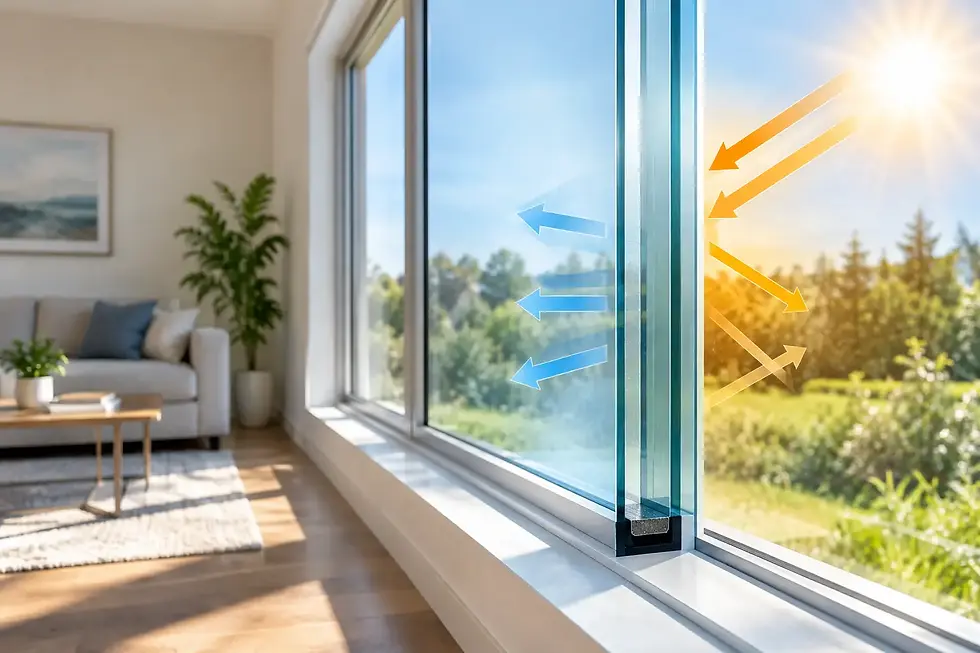
This is also the time to discuss glass options. Low-E glass, insulating gas fills, and appropriate glass packages can improve comfort near the window and help reduce unwanted heat gain or heat loss. The best choice depends on the room, how much direct sun it receives, and whether the homeowner values stronger solar control, clearer views, or added privacy.
Installation Details Matter as Much as the Window
Even the highest quality replacement window cannot perform as intended if it is measured incorrectly or installed without attention to the opening. The frame must be properly secured, insulated, and adjusted so the sash operates smoothly and locks correctly. Gaps around the unit should be addressed without overpacking insulation to the point that it distorts the frame.
Exterior finishing deserves equal attention. Aluminum capping can protect exposed exterior wood around the window opening while providing a clean, finished appearance. Done correctly, it helps reduce future maintenance and directs attention away from aging trim. It should complement proper water management, not hide damaged materials that should have been repaired first.
For a full frame project, careful flashing and integration with the home's exterior are particularly important. For an insert project, the installer still needs to seal and finish the new unit correctly so air and water do not find a path around it. The methods differ, but workmanship matters in both cases.
How to Decide for Your Home
Start with the existing frame. If it is structurally sound, dry, and well preserved, an insert replacement can be a cost-effective way to gain better comfort, operation, and energy performance. If the frame has rot, water damage, poor installation details, or a shape that limits the new window, full frame replacement is usually the more responsible choice.
Next, consider your goals. Homeowners preserving original interior trim may prefer inserts when the opening allows it. Those changing styles, increasing glass area, correcting leaks, or rebuilding damaged exterior wood should expect a full frame discussion. Budget matters, but it should be weighed against the cost of leaving hidden damage behind.
The clearest answer comes from an in-home assessment by a company that works with windows every day. At Just Windows by Slocomb, four decades of hands-on experience means looking beyond the visible sash to recommend the method that fits the home, not a one-size-fits-all package.
A good replacement window should make a room quieter, more comfortable, easier to use, and better protected from the weather. Choosing the right installation method gives that new window the sound foundation it needs to do its job for years to come.


Comments