


Energy Efficient Window Guide for Delaware Homes

A cold spot beside the sofa, condensation on the glass, and a room that overheats every sunny afternoon are not simply inconveniences. They are often signs that a window is no longer doing its job. This energy efficient window guide helps Delaware and Pennsylvania homeowners understand what affects window performance, what replacement can realistically improve, and why installation details matter as much as the window itself.
For a home in Wilmington or the surrounding area, windows need to handle humid summers, chilly winter winds, heavy rain, and changing temperatures. The right replacement window can make a home more comfortable and attractive while helping reduce unnecessary strain on its heating and cooling system. The right choice is rarely about finding the most features on a brochure. It is about matching the product, glass package, opening, and installation method to the home.
What Makes a Window Energy Efficient?
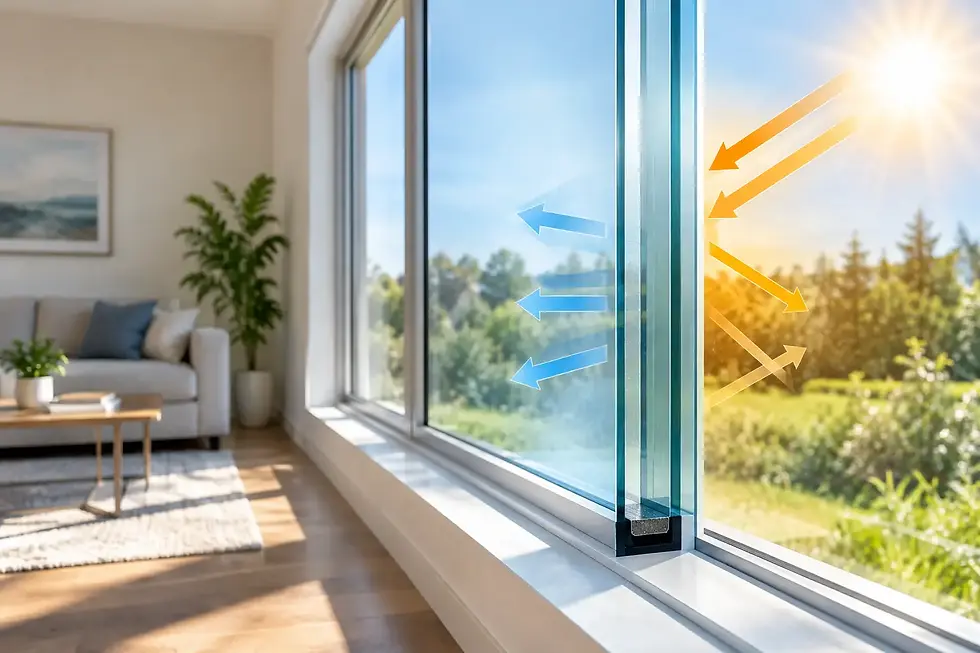
An energy-efficient window slows the movement of heat. In winter, it helps keep heated indoor air from escaping through the glass and frame. In summer, it helps limit heat from the sun and outdoors from entering the home. Air leakage matters, too. Even high-quality glass cannot solve a draft caused by gaps around the window or a poorly sealed installation.
Performance comes from several parts working together: insulated glass, low-emissivity coatings, gas between panes, a well-built frame, weatherstripping, and careful fitting at the opening. A window should also operate properly. A sash that does not lock tightly or a frame that has shifted can allow air and water where they do not belong.
Older single-pane windows are often the clearest candidates for replacement, but age alone does not tell the whole story. Some older wood windows may be worth repairing if they are structurally sound and fit the character of the property. On the other hand, a newer window with failed seals, persistent drafts, or poor installation may need attention much sooner than expected.
Energy Efficient Window Guide: Ratings That Matter
Window labels can feel technical, but a few ratings provide useful comparison points. They should be considered together rather than treated as a single score.
U-factor measures how readily a window transfers heat. Lower numbers generally mean better insulation. For Delaware winters, a lower U-factor can help rooms feel less cold near the glass and reduce heat loss.
Solar Heat Gain Coefficient, or SHGC, measures how much solar heat passes through a window. Lower SHGC helps reduce unwanted summer heat, especially on south- and west-facing walls. However, very low solar gain is not automatically best for every opening. A sunny family room may benefit from controlling afternoon heat, while a shaded side of the house may call for a different balance.
Air leakage indicates how much air can pass through the window assembly. Lower is better. This rating matters when replacing windows that rattle in the wind, create noticeable drafts, or leave rooms uncomfortable despite adequate heating.
Visible transmittance refers to how much daylight comes through the glass. Homeowners often want improved energy performance without making a room noticeably darker. Glass selection can balance comfort, solar control, and natural light.
These ratings are useful, but they do not replace a look at the home itself. Window direction, roof overhangs, nearby trees, room use, and existing insulation all affect the best choice.
Start With the Problems You Can See and Feel
Before selecting a replacement style, look for patterns around the home. Are certain rooms uncomfortable only in winter? Does condensation form between panes, indicating a failed insulated glass seal? Are there water stains below a window after driving rain? Does outside noise seem unusually loud? These clues help identify whether the issue involves glass, the window frame, exterior trim, or the installation around the opening.
Drafts do not always mean the glass is at fault. They may come from worn weatherstripping, failed caulk, damaged exterior capping, or gaps hidden behind interior trim. Water intrusion requires even more care. Simply covering a problem with new caulk can trap moisture or delay a needed repair to the surrounding wall.
A professional assessment should examine the full opening, not just the visible sash. That includes checking operation, measuring accurately, looking for signs of rot or movement, and discussing how the room is used. A kitchen window over a sink, for example, may be easier to use as a casement. A wide living room opening may be better served by a picture window with operable units at the sides.
Choose a Frame and Style That Fit the Home
Custom vinyl replacement windows are a practical choice for many local homes because they are low-maintenance, resist moisture, and provide good insulating value. Quality construction and proper sizing still matter. A poorly fitted window is not made efficient by the frame material alone.
Double-hung windows remain a popular option for bedrooms, traditional homes, and openings where ventilation from the top and bottom sash is useful. Slider windows work well in wider openings and locations where a projecting sash would be inconvenient. Casement windows can provide excellent ventilation and a tight seal when closed, though they need clear exterior space to open.
Picture windows bring in daylight and views without the air-leakage points of an operable sash. They are often paired with double-hung or casement windows where ventilation is still needed. Bay and bow windows can add dimension, light, and usable interior space, but they require thoughtful structural support and weatherproofing. Hopper windows are frequently a good fit for basements, where ventilation and a compact operating design are priorities.
The most energy-efficient configuration depends on the opening and how the room functions. A fixed picture window may offer strong thermal performance, but it is not the right answer if the homeowner needs ventilation or an emergency escape route. Practical use should lead the decision.
Glass Packages Make a Meaningful Difference
For most replacement projects, double-pane insulated glass is the standard starting point. The space between the panes is commonly filled with an insulating gas, and low-E coatings help reflect heat. Together, these features improve comfort compared with single-pane glass and many outdated double-pane units.
The glass package should be selected with orientation in mind. West-facing windows may need stronger control of afternoon sun. Large glass areas facing a patio or yard may call for a package that reduces glare while preserving a clear view. Bedrooms, nurseries, and street-facing rooms may benefit from glass choices that also help moderate outside noise.
Triple-pane glass can offer additional insulating performance, particularly for homeowners focused on cold-weather comfort or noise reduction. It also costs more and adds weight. Whether that added investment makes sense depends on the home, the existing windows, and the homeowner's goals. It is not a necessary upgrade for every project.
Installation Is Where Performance Becomes Real
A replacement window can only perform as well as its installation allows. The window must be square, level, properly shimmed, insulated around the frame, and sealed to manage both air and water. The exterior must direct rain away from the opening instead of relying on caulk as the only defense.
Exterior wood around older windows also deserves attention. If trim is exposed, deteriorated, or repeatedly painted, aluminum capping can protect it from weather while giving the installation a clean, finished appearance. Capping is not a substitute for repairing damaged wood, but when the underlying material is sound, it can reduce future maintenance.
Be cautious with unusually low replacement quotes that provide little detail about installation. Ask what happens if hidden wood damage is found, how insulation and exterior sealing will be handled, and whether trim or capping is included. A clear answer is usually more valuable than a vague promise that the window will be “installed professionally.”
Plan the Project Around Long-Term Value
Replacing every window at once is not always necessary. Homeowners may choose to begin with the rooms that are most uncomfortable, windows with failed glass, or openings showing water-related concerns. A phased approach can work well when the products and exterior finishes are planned consistently.
At the same time, replacing windows one at a time can add cost and make it harder to match products later. If several windows are nearing the end of their service life, it may be more practical to evaluate the group together. The goal is not to sell more windows than a home needs. It is to prevent a short-term fix from becoming an expensive repeat project.
For homeowners who want straightforward advice, Just Windows by Slocomb brings four decades of window-focused experience to the in-home consultation process. A close look at the existing conditions, followed by a clear explanation of the available options, gives you a better basis for making a decision that fits your home.
Start with the rooms that make you reach for a blanket in winter or close the blinds against the summer sun. Those everyday frustrations often point directly to the window improvements that will matter most.


Comments