

Bay Window Replacement Cost: What Affects It

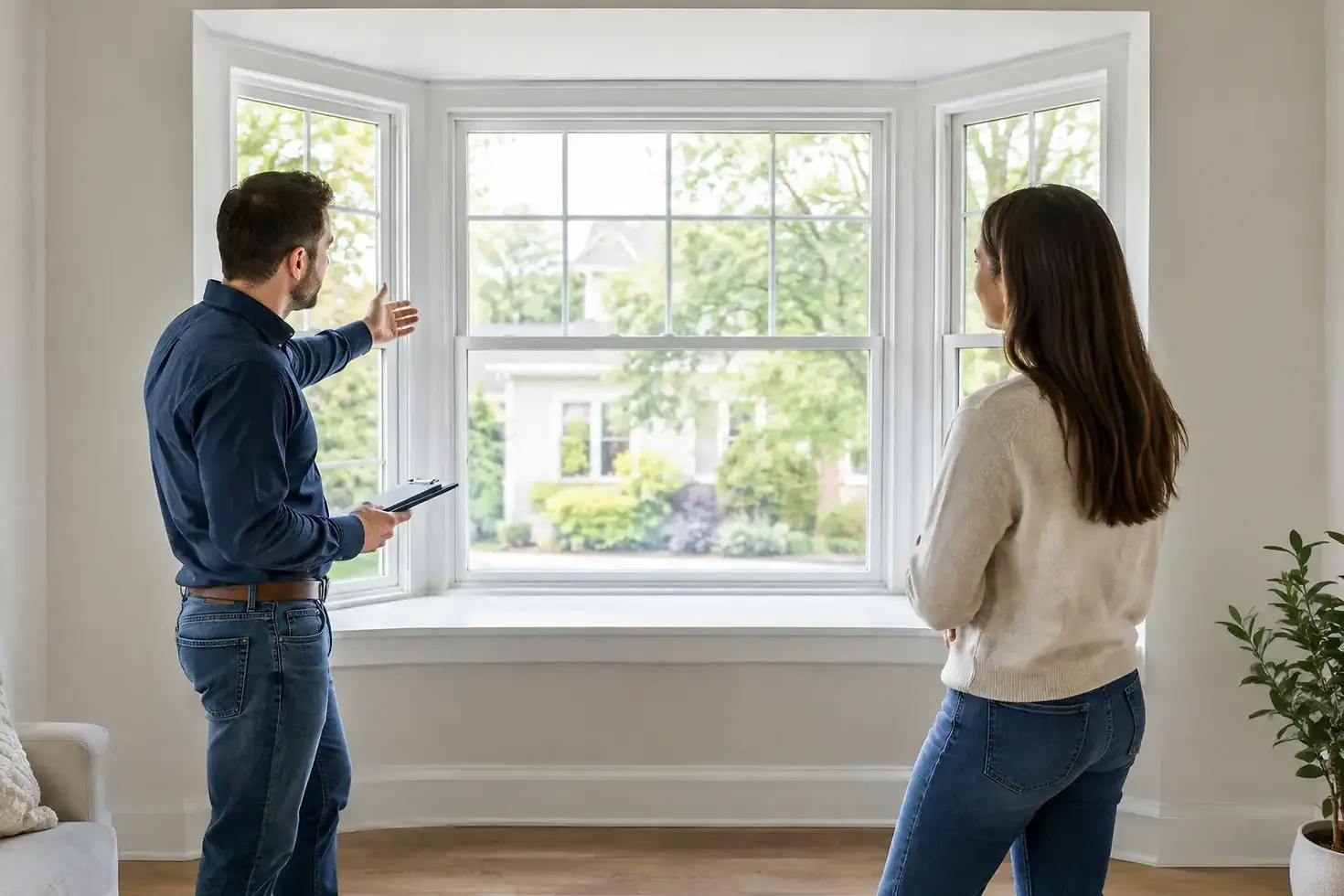
A bay window can change more than the view from a room. It adds natural light, creates a wider visual opening, and gives a home's exterior more character. Because it projects beyond the wall instead of sitting flat within it, bay window replacement cost is usually higher than the cost of replacing a standard double-hung or picture window. The difference comes down to the window itself, the condition of the opening, and the skill required to install it correctly.
For homeowners in Delaware and southeastern Pennsylvania, a realistic installed price for a replacement bay window often begins around $5,000 and can reach $12,000 or more. Larger custom units, premium glass packages, substantial framing repairs, or a new bay window installation where one did not exist before can increase that range considerably. An in-home evaluation is the only reliable way to price the project, but understanding the variables helps you compare estimates wisely.
What Is Included in Bay Window Replacement Cost?
A bay window is a three-part unit that projects outward from the home. It commonly includes a fixed picture window in the center with operable casement or double-hung windows on each side. The unit requires a reinforced head system, proper support beneath the seat, flashing, insulation, and exterior finishing that protects the surrounding wall from water.
That means the price is not simply the cost of three windows. A complete estimate should account for measuring and ordering a custom-sized window, removing the existing unit, preparing or repairing the opening, installing and securing the new bay, insulating the perimeter, sealing the exterior, and finishing the interior and exterior trim as needed.
If the project involves aluminum capping around exterior wood, that should also be clearly identified. Capping can protect exposed trim from repeated moisture and paint maintenance while giving the finished opening a cleaner appearance. It is a practical addition for many homes, but it is still a separate part of the work that affects the final price.
The Biggest Factors That Affect the Price
Window size and configuration
Size has a direct effect on both material and labor costs. A modest bay window may extend only a few feet across the wall, while a larger unit can span much of a living room or dining room. Wider and deeper bays require more glass, heavier framing, stronger support, and more involved installation.
Configuration matters too. A center picture window with two operating casements typically costs more than a unit with fixed side panels. Operable windows provide ventilation and can be easier to clean depending on the style, but their hardware and construction add to the price. The roof profile and seat depth also vary by product and home design.
Window material and glass package
Custom vinyl replacement windows are a popular choice because they offer good energy performance, low maintenance, and dependable value. However, vinyl bay windows still vary in construction quality. Frame strength, welded corners, insulation chambers, hardware, and the way the unit is engineered to support its weight all matter over the long term.
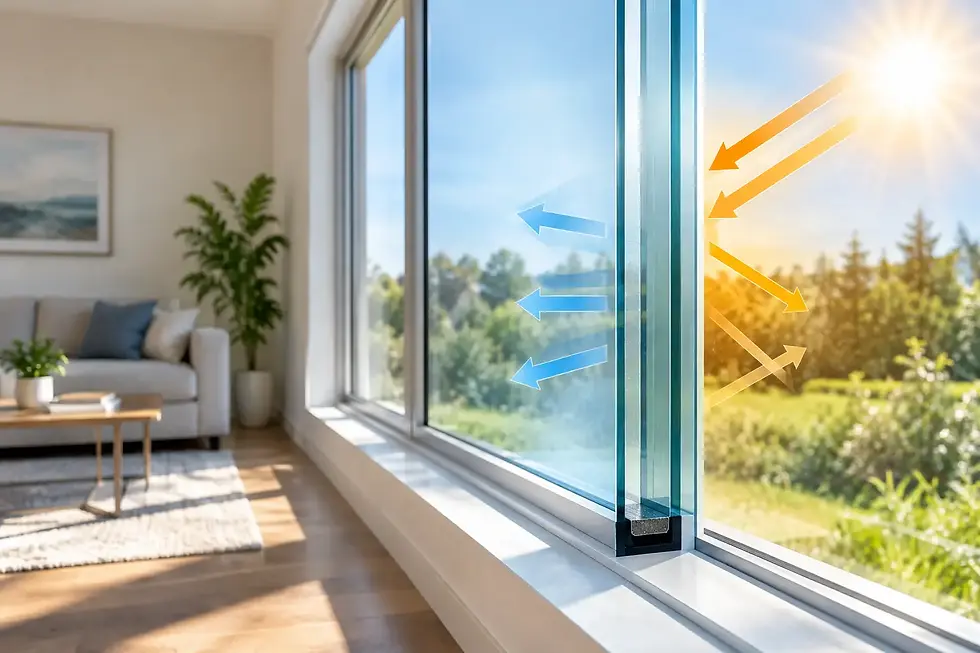
Glass options can also change the cost. Low-E glass, argon gas fills, insulated glass, tempered safety glass, and upgraded grids each serve a purpose. A home with strong afternoon sun may benefit from glass designed to manage solar heat gain. A first-floor bay window near a walkway may require tempered glass in certain locations. The best choice depends on orientation, room comfort, code requirements, and budget rather than simply selecting every available upgrade.
Condition of the existing opening
This is where an online price calculator often falls short. Once an old bay window is removed, installers may find water-damaged wood, deteriorated framing, inadequate support, or previous repair work that needs correction. Older homes can also have uneven openings that require careful adjustment to ensure the new window sits level, square, and properly sealed.
Minor repairs are common and manageable. More extensive rot or structural concerns can add meaningful cost because the opening must be made sound before the new window goes in. Skipping this work to keep an estimate low is rarely a bargain. A new bay window installed over compromised framing can lead to drafts, leaks, operation problems, and early failure.
Exterior details and access
The exterior of a bay window has more exposed surfaces than a flat window. Proper flashing and trim work are essential because wind-driven rain can find small installation errors over time. Brick, stucco, siding type, and existing exterior trim all influence the amount of finish work required.
Access can make a difference as well. A first-floor window with clear space around it is generally more straightforward than a unit above a porch roof, landscaping, or a tight side yard. Interior conditions matter too. Built-in seating, finished wood trim, plaster walls, or custom blinds may require additional protection, removal, or restoration.
Replacement Versus Creating a New Bay Window
Replacing an existing bay window is usually less expensive than creating a new one where a standard flat window currently sits. With a replacement, the basic opening and supporting structure are already in place, although they still need to be inspected carefully.
Creating a new bay window is a larger remodeling project. It may involve opening the wall wider, modifying framing, moving electrical work, addressing siding or masonry, and building the necessary support system. The result can be dramatic, but homeowners should expect a higher investment and a more detailed planning process.
There is also a middle ground. In some situations, replacing an existing flat window with a bow or bay window may be possible without extensive changes, but that depends on the wall structure, exterior clearance, and the size of the desired unit. A specialist should evaluate the home before making promises based on a photograph or rough measurement.
How to Compare Bay Window Estimates Fairly
The lowest number on paper is not always the lower-cost project. When comparing proposals, make sure each contractor is pricing a similar window configuration, glass package, installation scope, and finish level. One estimate may include exterior capping and interior trim work while another may leave those items out.
Ask how the contractor handles hidden damage if it is discovered after removal. You should also understand whether disposal, insulation, flashing, trim, and permit requirements are included. Clear answers before work begins help prevent surprises and make it easier to see the real value of each proposal.
Installation experience deserves close attention with bay windows. The unit must be supported correctly, integrated with the wall, and sealed against weather without restricting proper operation. A window can look attractive on installation day and still develop issues later if the details behind the trim were rushed.
When a Bay Window Is Worth the Investment
A bay window is often worth considering when an existing unit is drafty, leaking, difficult to operate, fogged between the panes, or showing visible deterioration around the frame. It can also be a strong choice for a room that feels dark or closed in. The additional glass area and projection can make a familiar room feel noticeably more open.
Still, a bay window is not automatically the right answer for every opening. If ventilation is the priority, casement windows may provide more usable airflow. If the goal is the broadest possible view at a lower price, a large picture window may be a better fit. Honest advice should begin with how you use the room, not with pushing the most expensive configuration.
A free in-home consultation with Just Windows by Slocomb can help identify what your current opening needs, whether repairs are necessary, and which custom replacement option makes the most sense for your home. The right bay window is one that looks appropriate, performs well through Delaware weather, and is installed with the care needed to protect your investment for years to come.


Comments